
Stress Less, Live More: Exploring Virtual Therapy for Anxiety, PTSD, and Beyond
Why Virtual Therapy for Anxiety Matters Now More Than Ever

Virtual therapy for anxiety is an evidence-based treatment that lets you meet with a licensed therapist via secure video, phone, or messaging. If you've felt overwhelmed by anxiety—racing thoughts, constant worry, or physical symptoms—you're not alone. Up to a third of people will experience an anxiety disorder in their lifetime.
The good news is that help is more accessible than ever. Here's what you need to know about virtual therapy:
- It works. Research shows 70% of people see symptom improvement within 3 months, and 80% find it as effective or more so than in-person therapy.
- It's accessible. With no commute and flexible scheduling, you can connect with specialists who may not be available locally.
- It's private. Attend sessions from your own safe space, reducing the stigma many feel when seeking help.
- It covers multiple approaches. CBT, EMDR, medication management, and group therapy are all available online.
- Insurance often covers it. Most major plans include telehealth, and many members pay a $0 copay.
Traditional therapy can feel out of reach due to long waitlists, high costs, and the stress of commuting. Virtual therapy removes these obstacles, allowing you to get support when and where you need it. Studies consistently show it delivers comparable outcomes to face-to-face sessions, and for those with social anxiety or agoraphobia, it can actually reduce stress and make it easier to open up.
This guide will cover how virtual therapy works, its effectiveness, how to choose a provider, what it costs, and how to get started.
Is Online Therapy for Anxiety Effective? The Science-Backed Answer
When you're struggling with anxiety, you need to know that the help you're seeking actually works. The good news is that virtual therapy for anxiety is a genuinely effective treatment backed by solid science, producing results that match—and sometimes even exceed—in-person therapy.
How virtual therapy works
Virtual therapy for anxiety connects you with a licensed mental health professional through secure digital platforms. The process starts with an assessment of your history and goals, followed by a personalized treatment plan. Common formats include:
- Secure video sessions: Face-to-face meetings with your therapist from the comfort of your home.
- Asynchronous messaging: The ability to send messages to your therapist anytime, allowing you to process feelings in the moment. Therapists typically respond within a business day.
- Phone calls: Audio-only sessions for those who prefer not to be on camera or have unstable internet.
- Digital tools and worksheets: Interactive exercises for tracking moods, challenging anxious thoughts, and practicing new skills between sessions.
Though the setting is different, the core of therapy—a supportive relationship with a skilled professional—remains the same. You can learn more through resources on Virtual Therapy and Teletherapy.
What the research says about effectiveness
The evidence supporting virtual therapy for anxiety is impressive. A study in the Journal of Telemedicine and e-Health found 70% of participants saw improvement in their anxiety or depression symptoms within three months of using text-based therapy. Furthermore, 80% reported that online therapy was as effective or more effective than face-to-face sessions.
Convenience plays a key role; 98% of users found online therapy more convenient than traditional appointments. When treatment is easier to access, people stick with it longer and see better results. One mental health solution even achieved 30% higher response and remission rates than a leading U.S. health system. Patient satisfaction is also high, with 90% of people saying online therapy helped them feel better.
A comprehensive Cochrane review confirmed that therapist-supported online Cognitive Behavioral Therapy (CBT) significantly reduces anxiety symptoms and improves quality of life, sometimes even more so than in-person therapy.
The research holds up for specific conditions as well. Studies show internet-delivered CBT is just as effective as in-person treatment for health anxiety and social anxiety disorder, often requiring less therapist time and therefore reducing costs. The science is clear: effective help for anxiety is available online. For more details, explore research from the American Academy of Family Physicians on therapist-supported online cognitive behavior therapy and our pages on Online Therapy for Anxiety and Specialties Online Therapy for Anxiety.
The Key Benefits and Potential Limitations of Online Counseling
Choosing the right therapy format is a key part of your mental health journey. Virtual therapy for anxiety has made getting help easier for millions, but it's important to weigh its advantages and limitations to see if it's the right fit for you.
Advantages of virtual therapy
Online counseling meets you where you are, offering significant benefits:
- Convenience and Flexibility: Attend sessions from anywhere without commuting. This saves time and money, making therapy more sustainable.
- Greater Access: Geography is no longer a barrier. You can connect with specialists in panic disorder, PTSD, or other specific areas, regardless of their physical location.
- Privacy and Comfort: Virtual sessions offer a layer of privacy that can reduce the stigma of seeking help. Being in your own safe environment can also make it easier to open up.
- Continuous Support: Many platforms offer messaging between sessions, providing a continuous thread of support. You also gain access to digital tools like worksheets and mood trackers to reinforce what you learn.
Potential drawbacks to consider
It's also important to be aware of the potential limitations:
- Technical Requirements: You need a reliable internet connection, a working device, and a private space where you won't be overheard.
- Not for Severe Crises: Virtual therapy is not suitable for individuals in a severe mental health crisis, such as those with active thoughts of self-harm or psychosis. These situations require immediate, in-person care. If you are in crisis, call or text the 988 Suicide & Crisis Lifeline or dial 911.
- Licensing and Communication: Therapists can only practice in states where they are licensed. Additionally, while video captures most non-verbal cues, some subtle nuances of in-person interaction can be lost.
- Medication Restrictions: Online psychiatrists can prescribe most anxiety medications but generally cannot prescribe controlled substances like benzodiazepines due to telehealth regulations.
For most people dealing with anxiety disorders, the benefits of online mental health counseling far outweigh the drawbacks. The key is to consider your specific needs and the severity of your symptoms.
Proven Therapeutic Approaches Available Online
One of the best things about virtual therapy for anxiety is that it offers the same evidence-based treatments you would find in a traditional setting. Because every person's experience with anxiety is unique, your therapist can create a personalized plan using a proven approach that fits your needs.
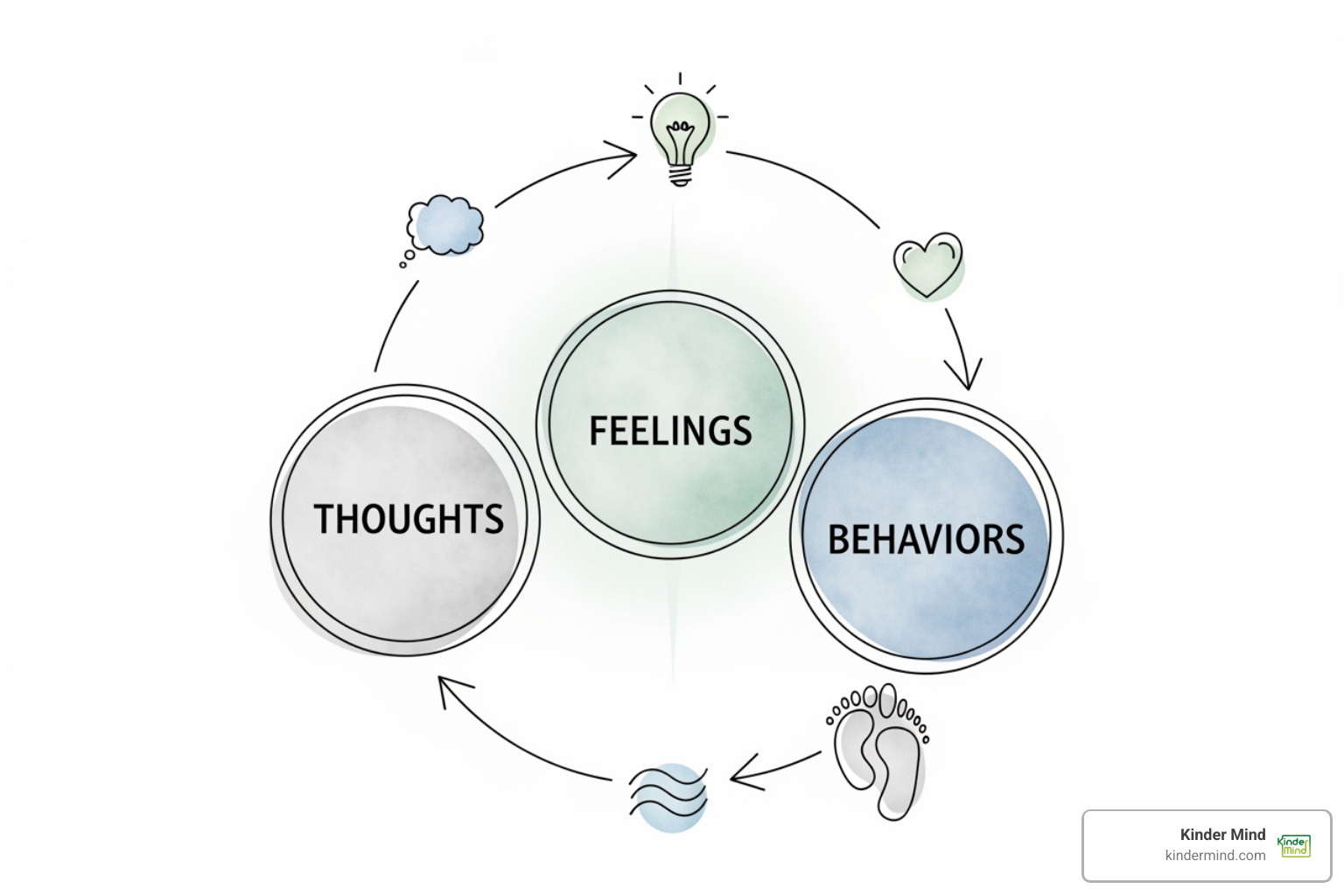
Types of virtual therapy for anxiety
Here are some of the most effective therapeutic approaches available online:
- Cognitive Behavioral Therapy (CBT): The most researched treatment for anxiety, CBT helps you identify and change negative thought patterns and behaviors. Online CBT is proven to be just as effective as in-person sessions. Learn more at Best Online CBT Therapy for Anxiety.
- Exposure Therapy: A form of CBT where you gradually and safely confront your fears in a controlled way, helping your brain learn that the feared situation is not dangerous.
- Eye Movement Desensitization and Reprocessing (EMDR): Highly effective for PTSD and trauma, EMDR uses bilateral stimulation (like eye movements) to help your brain reprocess traumatic memories, reducing their emotional impact.
- Mindfulness-Based Interventions: These approaches teach you to observe your thoughts without judgment and stay present, which can be as effective as CBT for anxiety.
- Group Therapy: Connecting with others who share similar struggles can reduce feelings of isolation and provide a supportive environment to practice new skills. See our Online Group Therapy for Anxiety page for more.
- Psychiatry and Medication Management: Online psychiatrists can prescribe and manage medications like SSRIs to complement talk therapy. They cannot prescribe controlled substances.
- Dialectical Behavior Therapy (DBT): DBT provides practical skills for managing overwhelming emotions through mindfulness, distress tolerance, and emotional regulation.
For more information, explore Therapy for Anxiety and Social Anxiety Therapy.
What to expect during your first session
Your first virtual therapy session is a conversation focused on getting to know you. Your therapist will ask about your anxiety symptoms, personal history, and what you hope to achieve in therapy. This is also your chance to see if the therapist is a good fit. Do you feel heard and respected? The therapeutic relationship is a key predictor of success. Your therapist will explain their approach and answer any questions you have about the process, confidentiality, or their experience. By the end of the 30-60 minute session, you should have a clearer sense of the path forward. If you're ready, you can Get Started with Kinder Mind today.
Your Guide to Starting Virtual Therapy for Anxiety
You've learned that virtual therapy for anxiety is effective and convenient. Now, let's cover the practical steps to getting started. Finding the right provider, understanding the cost, and ensuring your privacy are simpler than you might think.
How to choose the right provider
Finding the right therapist is crucial, as the therapeutic relationship strongly predicts success. Here’s what to look for:
- Credentials and Licensing: Ensure your therapist is licensed to practice in your state. This guarantees they meet professional and ethical standards. Kinder Mind verifies all our therapists are fully licensed.
- Specialization: Look for a therapist with experience in your specific area of concern, whether it's Panic Attacks, PTSD, or OCD. This ensures they have the right expertise to help you.
- Reviews and Fit: Read testimonials to get a sense of a therapist's style. During an initial consultation, assess your comfort level. It's important to find someone you can be vulnerable and honest with.
- Flexibility: If your first match isn't right, most platforms make it easy to switch providers at no extra cost. Don't hesitate to find someone who truly fits your needs.
For more guidance, check out our page on Anxiety Professionals Near Me.
Cost, insurance, and affordability
Worrying about cost shouldn't add to your anxiety. Here are the key ways to make virtual therapy for anxiety affordable:
- Insurance: Most major health insurance plans, including Medicare and Medicaid, now cover telehealth services. Many members pay a low copay or even $0. Kinder Mind offers a quick Insurance Eligibility Check.
- In-Network vs. Out-of-Network: In-network providers are the most affordable. If a provider is out-of-network, you may still get partial reimbursement from your insurance company.
- Self-Pay: If you don't have insurance or prefer not to use it, self-pay options are available. Kinder Mind is committed to accessibility and offers reduced-rate plans.
- HSA/FSA: You can typically use pre-tax dollars from a Health Savings Account (HSA) or Flexible Spending Account (FSA) to pay for therapy.
Visit our page on Online Therapy That Takes Insurance for more details.
How is my privacy protected during online therapy?
Reputable platforms take your privacy very seriously. Here’s how your information is kept safe:
- HIPAA Compliance: All credible virtual therapy for anxiety platforms must comply with the Health Insurance Portability and Accountability Act (HIPAA), a federal law that sets strict standards for protecting your health information. Learn more at the U.S. Department of Health & Human Services.
- Encryption: All video sessions, calls, and messages are encrypted, meaning they are scrambled so only you and your therapist can access them.
- Confidentiality: Therapists are bound by the same legal and ethical confidentiality rules as in-person therapy. What you share is private, with limited exceptions for safety (e.g., risk of harm to self or others), which your therapist will explain.
At Kinder Mind, protecting your privacy is fundamental to the trust you place in us. Ready to take the first step? Get started with Kinder Mind today.
Frequently Asked Questions about Online Therapy
Are there specific virtual therapy options for teens or different anxiety disorders?
Yes. Virtual therapy for anxiety offers specialized support for all ages and conditions. Many therapists focus on working with teens (ages 13 and up at Kinder Mind), understanding the unique pressures of adolescence. For adults, you can find specialists trained in specific anxiety disorders like Generalized Anxiety Disorder (GAD), Panic Disorder, PTSD, or OCD. Virtual care expands your access to these experts, connecting you with the right therapist for your needs, regardless of location. This personalized matching is key to effective treatment, especially when working through the mind-body connection of anxiety, as discussed in Anxiety and Your Body: The Connection.
How is my privacy protected during online therapy?
Your privacy is a top priority. Reputable virtual therapy for anxiety platforms like Kinder Mind are HIPAA-compliant, using end-to-end encryption for all communications and secure data storage. Your therapist is bound by the same strict confidentiality rules as in-person therapy, ensuring your sessions are a safe and private space. You can learn more about HIPAA at its official site.
What if I don't connect with my therapist?
This is a common and valid concern. The therapeutic alliance—the bond between you and your therapist—is a major factor in treatment success. If you don't feel comfortable or understood, it's important to make a change. Online platforms like Kinder Mind understand this and make it easy to switch to a new therapist at no extra cost. You can either discuss your concerns with your current therapist or simply request a change through the platform. The goal is to find someone who makes you feel heard, respected, and supported on your healing journey.
Conclusion
You've made it through this guide, which is a meaningful step. Virtual therapy for anxiety is a proven, accessible lifeline for millions. We've covered the science showing it works, the different approaches available, and the practical steps to get started. Whether you're in a busy city or a quiet town, help is available to fit your life—on your schedule and on your terms.
Mental health is health. Asking for help isn't a sign of weakness; it's a sign of strength. It's choosing to invest in yourself and your future.
At Kinder Mind, we believe quality mental health care should be within everyone's reach. We offer both in-person and virtual therapy, with flexible payment options including insurance and reduced-rate plans. Our mission is to make care accessible across every state we serve, because no one should face anxiety alone.
If you're ready to feel calmer and more like yourself again, the path forward is here. You don't have to have it all figured out—you just have to take the first step.
