
Is It More Than Just a Bad Mood? Understanding Depression Symptoms
Why Understanding Depression Symptoms Matters

Depression symptoms are more than just feeling sad. If you're wondering whether you're experiencing normal sadness or something more serious, it's important to know the key signs.
Core depression symptoms include:
- Persistent sadness or low mood
- Loss of interest or pleasure in activities
- Significant changes in sleep or appetite
- Fatigue and loss of energy
- Feelings of worthlessness or guilt
- Difficulty concentrating
- Recurrent thoughts of death or suicide
For a clinical diagnosis, these symptoms must last at least two weeks and significantly interfere with daily life. Depression is common, affecting about 5.7% of adults globally and 18% of adults in the U.S. The good news is that it's highly treatable, with 70-90% of people responding well to treatment.
However, depression doesn't look the same in everyone. Some people feel numb, others cry often. Some sleep all day, while others have insomnia. This guide will walk you through the full spectrum of symptoms to help you recognize them and know when to seek support.
Distinguishing Between Sadness and Depression
Everyone feels sad sometimes, often in response to difficult life events. However, depression symptoms are more pervasive and debilitating. Here’s how to distinguish between the two:
| Feature | Sadness | Depression |
|---|---|---|
| Duration | Temporary, passes in days or weeks. | Persistent, lasting at least two weeks. |
| Trigger | Often has a clear cause. | May lack an obvious trigger or the reaction is disproportionate. |
| Intensity | Comes in waves, mixed with positive feelings. | A constant, pervasive low mood or dread. |
| Self-Esteem | Generally remains intact. | Often involves feelings of worthlessness and guilt. |
| Functioning | Daily activities are usually maintained. | Significantly interferes with work, socializing, and self-care. |
| Physical Symptoms | Minimal; may include crying. | Can include major changes in sleep, appetite, and energy. |
| Thoughts of Death | Rare, and if present, often about joining a loved one. | Can involve thoughts of ending one's life due to intense emotional pain. |
While grief shares some symptoms with depression, it typically improves over time. However, bereavement can sometimes trigger a major depressive episode. The key difference lies in the persistence and severity of depression symptoms.
The Many Faces of Depression: A Full Spectrum of Symptoms
Depression manifests differently in everyone, and the symptoms can even change over time. They often fall into three main categories: psychological, physical, and social. Understanding these can help you recognize depression in yourself or others.
Psychological and Emotional Symptoms
These are the internal experiences of depression.
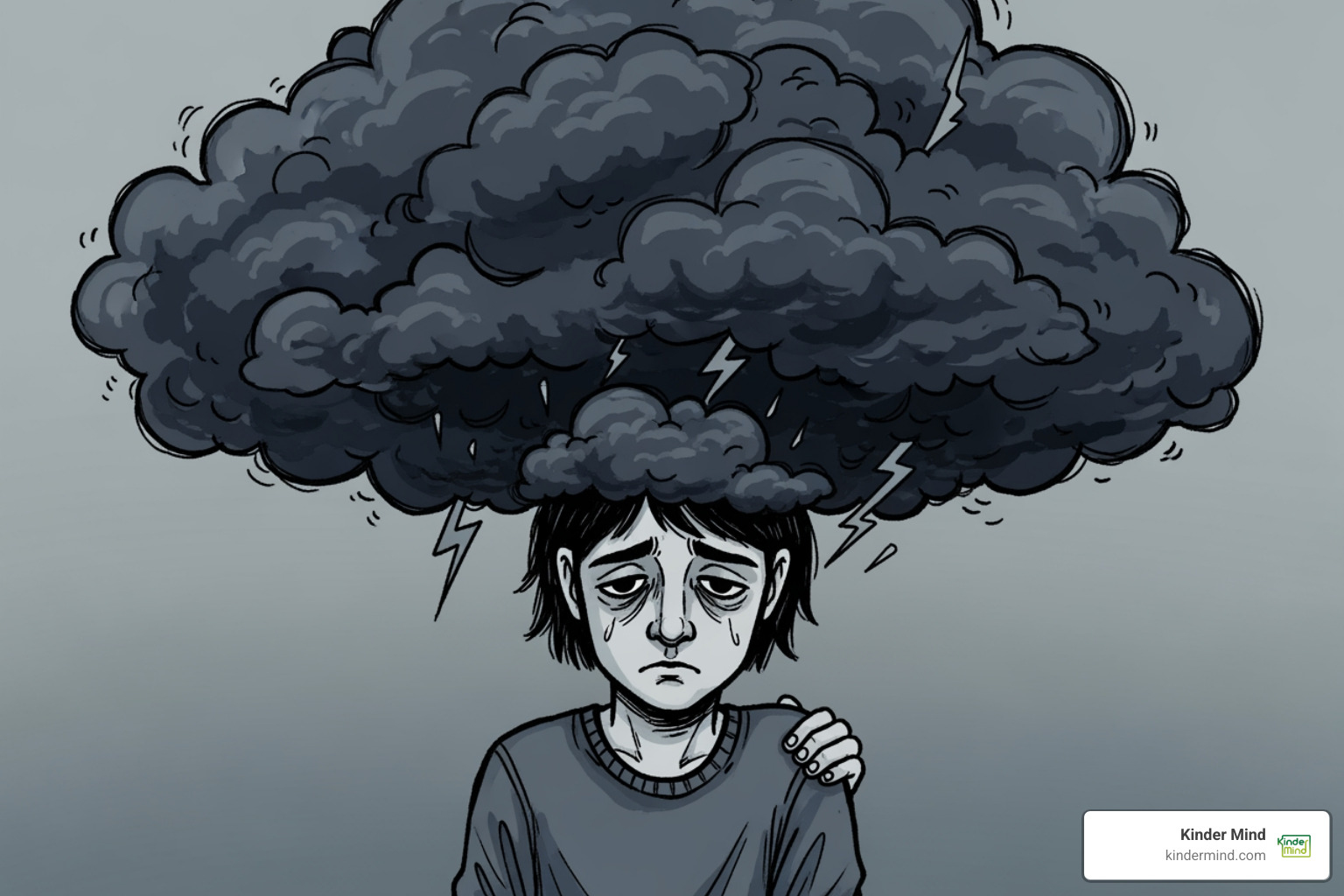
- Continuous low mood or sadness: A deep, heavy feeling of sadness or emptiness that is present most of the day, nearly every day.
- Hopelessness and helplessness: A bleak outlook on the future and a feeling that nothing will ever get better.
- Low self-esteem and guilt: Feeling worthless, inadequate, or blaming yourself for things that aren't your fault.
- Irritability and intolerance: A short fuse, frustration over small things, and general annoyance, which can be a primary symptom for some.
- Anhedonia: A core symptom involving the loss of interest or pleasure in activities you once enjoyed.
- Difficulty making decisions: Even simple choices can feel overwhelming and paralyzing.
- Anxiety and worry: A constant sense of dread or looping, worried thoughts.
- Thoughts of death or self-harm: These are serious symptoms of severe emotional pain that require immediate help.
Physical and Bodily Symptoms
Depression symptoms are not just in your head; they manifest physically.

- Fatigue and lack of energy: A profound exhaustion that isn't relieved by rest, making simple tasks feel monumental.
- Sleep disturbances: Insomnia (trouble falling/staying asleep) or hypersomnia (sleeping excessively) are very common.
- Changes in appetite and weight: Either a loss of appetite and weight or increased cravings (especially for carbohydrates) and weight gain.
- Unexplained aches and pains: Chronic headaches, back pain, or stomach issues with no clear medical cause.
- Slower movements or speech: A noticeable slowing down of physical movements and talking.
- Restlessness: The opposite of slowing down, involving fidgeting, pacing, and an inability to sit still.
- Loss of libido: A diminished interest in sex, which can strain relationships.
Social and Behavioral Symptoms
Depression changes how you interact with the world.
- Social withdrawal: Avoiding contact with friends and family, canceling plans, and isolating yourself.
- Neglecting hobbies and interests: Abandoning activities and social events you once enjoyed.
- Difficulties at work or home: Missing deadlines, struggling to concentrate, or letting household chores pile up.
- Neglecting personal hygiene: In severe cases, basic self-care like showering or changing clothes can feel like too much effort.
- Increased substance use: Using alcohol or drugs to numb emotional pain, which ultimately worsens depression.
For more insights, explore our More on Depression resources.
Less-Recognized Depression Symptoms
Some depression symptoms are subtle or atypical.
- Anger and irritability: Instead of sadness, some people—especially men, children, and teens—may present as hostile or short-tempered.
- Restlessness or psychomotor agitation: An inability to sit still, driven by internal distress.
- Sexual issues: Beyond low libido, this can include erectile dysfunction or difficulty achieving orgasm.
- Increased impulsivity: Engaging in reckless spending or risky behaviors as a way to escape emotional pain or numbness.
How Depression Symptoms Vary by Age
Depression presents differently across the lifespan, which can lead to it being missed. Understanding these age-specific variations is key to spotting the signs.
In Children and Teens
Depressed kids often don't just look sad. In the U.S., about 4.4% of children experience depression, but the signs can be misleading.

- Irritability and anger are often the primary red flags, more so than sadness.
- School problems, such as a sudden drop in grades, difficulty concentrating, or school refusal, are common.
- Social withdrawal from friends and a loss of interest in once-loved activities (anhedonia) are telling signs.
- Physical complaints like frequent stomachaches or headaches with no medical cause can be expressions of distress.
- Changes in sleep or eating habits, often sleeping much more than usual.
- Self-harm or substance use may appear in adolescents as a way to cope with overwhelming pain.
If you're concerned, early intervention is crucial. Learn more with our guide: Get Your Teen Screened for Depression.
In Adults
For adults, depression symptoms often align with the classic descriptions but can be devastating to an established life.
- Core symptoms include persistent low mood, loss of pleasure, fatigue, and feelings of worthlessness.
- Disruption to daily life is a major challenge. Work performance suffers, household responsibilities pile up, and relationships become strained due to withdrawal or irritability.
- Co-occurring anxiety is common, as is turning to alcohol or other substances to cope.
If you're an adult facing these challenges, professional help offers relief. Our guide on talking to a therapist about depression can help you get started.
In Older Adults
Depression is not a normal part of aging, yet its symptoms are often misdiagnosed or dismissed.
- Physical complaints like chronic aches and pains are often the primary focus, while emotional distress goes unmentioned.
- Memory difficulties and personality changes can be mistaken for dementia. An older adult may become withdrawn, negative, or forgetful.
- Fatigue and loss of appetite are common but may be wrongly attributed to other health conditions or aging itself.
- Social isolation, such as a strong preference for staying home, may be a sign of depression, not contentment.
- Feelings of hopelessness or being a burden are serious signs, as depression in older adults carries an increased risk of suicide.
Don't accept "they're just old" as an answer. Depression is treatable at any age.
Understanding the Diagnosis and Types of Depression
A formal diagnosis is a crucial step toward recovery, as it clarifies your experience and guides effective treatment. Mental health professionals use established criteria to ensure you get the right support.
The Official DSM-V Criteria for Depression Symptoms
To diagnose major depressive disorder, professionals use the Diagnostic and Statistical Manual of Mental Disorders (DSM-5). A diagnosis requires experiencing at least five of the following nine symptoms for at least two weeks, representing a change from previous functioning and causing significant impairment.
Crucially, one of the symptoms must be either (1) depressed mood or (2) loss of interest or pleasure (anhedonia).
The nine symptoms are:
- Depressed mood most of the day, nearly every day.
- Markedly diminished interest or pleasure in activities.
- Significant weight loss or gain, or change in appetite.
- Insomnia or hypersomnia (sleeping too much).
- Psychomotor agitation (restlessness) or retardation (slowing down).
- Fatigue or loss of energy.
- Feelings of worthlessness or excessive guilt.
- Diminished ability to think, concentrate, or make decisions.
- Recurrent thoughts of death or suicide.
These symptoms must not be attributable to substance use or another medical condition. If these criteria resonate with you, it's time to consult a professional.
Common Types of Depressive Disorders
Depression isn't a single condition. Here are some common types:
- Major Depressive Disorder (MDD): Also known as clinical depression, this is the classic form meeting the DSM-5 criteria described above.
- Persistent Depressive Disorder (PDD): A chronic, low-grade depression lasting at least two years in adults. Symptoms are less severe than MDD but are long-lasting.
- Seasonal Affective Disorder (SAD): Depression that follows a seasonal pattern, typically beginning in the fall and winter months.
- Peripartum (Postpartum) Depression: Occurs during pregnancy or in the weeks after childbirth, affecting new parents of any gender.
- Premenstrual Dysphoric Disorder (PMDD): A severe form of PMS with significant mood swings, irritability, and depression in the week before menstruation.
- Bipolar Disorder: Involves episodes of major depression that alternate with periods of mania or hypomania.
Key Risk Factors and Causes
Depression rarely has a single cause but arises from a complex interplay of factors:
- Genetics: Having a close relative with depression increases your risk.
- Brain Chemistry: Imbalances in neurotransmitters like serotonin and dopamine play a role in mood regulation.
- Hormones: Hormonal shifts during pregnancy, menopause, or due to thyroid problems can trigger depression.
- Stressful Life Events: Trauma, abuse, chronic stress, or major losses can act as triggers.
- Childhood Trauma: Early life adversity can increase vulnerability to depression later in life.
- Chronic Illness: The physical and emotional burden of conditions like heart disease or cancer increases risk.
- Personality Traits: Tendencies toward low self-esteem, pessimism, or self-criticism can make one more vulnerable.
From Recognition to Recovery: Treatment and Seeking Help
Recognizing depression symptoms is the first step, but reaching out for professional help is what leads to recovery. Depression is a treatable medical illness, not a personal failing, and effective treatments are available.
When to Seek Professional Help
You don't need to be in crisis to deserve support. It's time to reach out if:
- Your symptoms have lasted for more than two weeks.
- Your symptoms are interfering with your daily life (work, relationships, self-care).
- You are experiencing thoughts of suicide. This is a medical emergency. If you are in crisis, call or text 988 in the U.S. or call 911.
Early intervention often leads to a faster recovery. Kinder Mind offers accessible therapy services to help you take the first step. You can Find a Kinder Mind Therapist or contact a mental health professional today.
Common Treatment Options for Depression Symptoms
Finding the right treatment is a collaborative process, and most people experience significant improvement.
Psychotherapy (Talk Therapy): Working with a therapist helps you develop coping strategies and address underlying issues. Cognitive Behavioral Therapy (CBT) is a highly effective type that focuses on changing negative thought patterns and behaviors. The convenience of online therapy for depression makes this option more accessible than ever.
Medication: Antidepressants, such as SSRIs, can be prescribed by a healthcare provider to help balance brain chemistry. They are often most effective when combined with therapy and typically take 4-8 weeks to work fully.
Lifestyle Changes: These are powerful complements to professional treatment. Regular exercise, a balanced diet, a consistent sleep schedule, and staying connected with supportive people can all help manage depression symptoms. It's also important to avoid alcohol and recreational drugs, which can worsen depression.
What is the Prognosis for Depression?
The outlook is genuinely positive. Depression is highly treatable, with 70% to 90% of people responding well to treatment.
Recovery is a process that may involve moving from remission (a brief period without symptoms) to recovery (a sustained return to your previous level of functioning). For those with recurrent depression, maintenance treatment (continuing therapy or medication) is often key to preventing relapse and sustaining long-term wellness.
With effective management and ongoing research into prognosis and improved outcomes in major depression, a fulfilling life is absolutely possible.
Frequently Asked Questions about Depression
How do I know if I have depression or am just sad?
Sadness is a temporary, natural emotion, usually tied to a specific event. You can still function and experience moments of joy. Depression symptoms are different: they are persistent (lasting at least two weeks), pervasive, and disabling. Depression involves a wider range of symptoms, such as changes in sleep and appetite, fatigue, and feelings of worthlessness, that significantly interfere with your ability to live your daily life. If your low mood is persistent and impacting your functioning, it's likely more than just sadness.
Can depression cause physical pain?
Yes, absolutely. Many people with depression experience unexplained physical symptoms like chronic headaches, back pain, and stomach problems. This is because depression involves changes in brain chemistry and inflammation that affect how your body processes pain signals. Sometimes, these physical symptoms are the most prominent signs of depression. Treating the underlying depression often helps alleviate the physical pain as well.
Is depression a sign of weakness?
No. This is a harmful myth. Depression is a serious medical condition, not a character flaw. It arises from a complex mix of genetic, biological, and environmental factors beyond your control. Living with depression requires immense strength. Seeking help is a sign of courage and self-awareness, not weakness. Just like any other medical illness, depression requires and responds to professional treatment. At Kinder Mind, we provide compassionate care to support you on your path to recovery.
Conclusion
Understanding depression symptoms is a crucial first step toward wellness. We've seen that depression is more than just sadness—it can manifest as physical pain, irritability, exhaustion, and a loss of joy. It looks different across ages but is consistently a treatable condition.
Remember this key takeaway: depression is a treatable medical illness, not a character flaw or a sign of weakness. Hope for recovery is real, with 70-90% of people finding significant relief with treatment.
Recognizing the signs is the beginning. The next step is reaching out for help. You don't have to wait until you hit rock bottom. Early support can lead to a smoother recovery.
Kinder Mind exists to make that support accessible. We offer in-person and virtual therapy to help you find the right treatment approach for your unique situation.
Your journey to feeling better starts with a single step. We're here to walk with you when you're ready.
