
Beyond the First Date: Navigating the World of Polyamorous Dating
Understanding Dating in Polyamory: A Comprehensive Guide

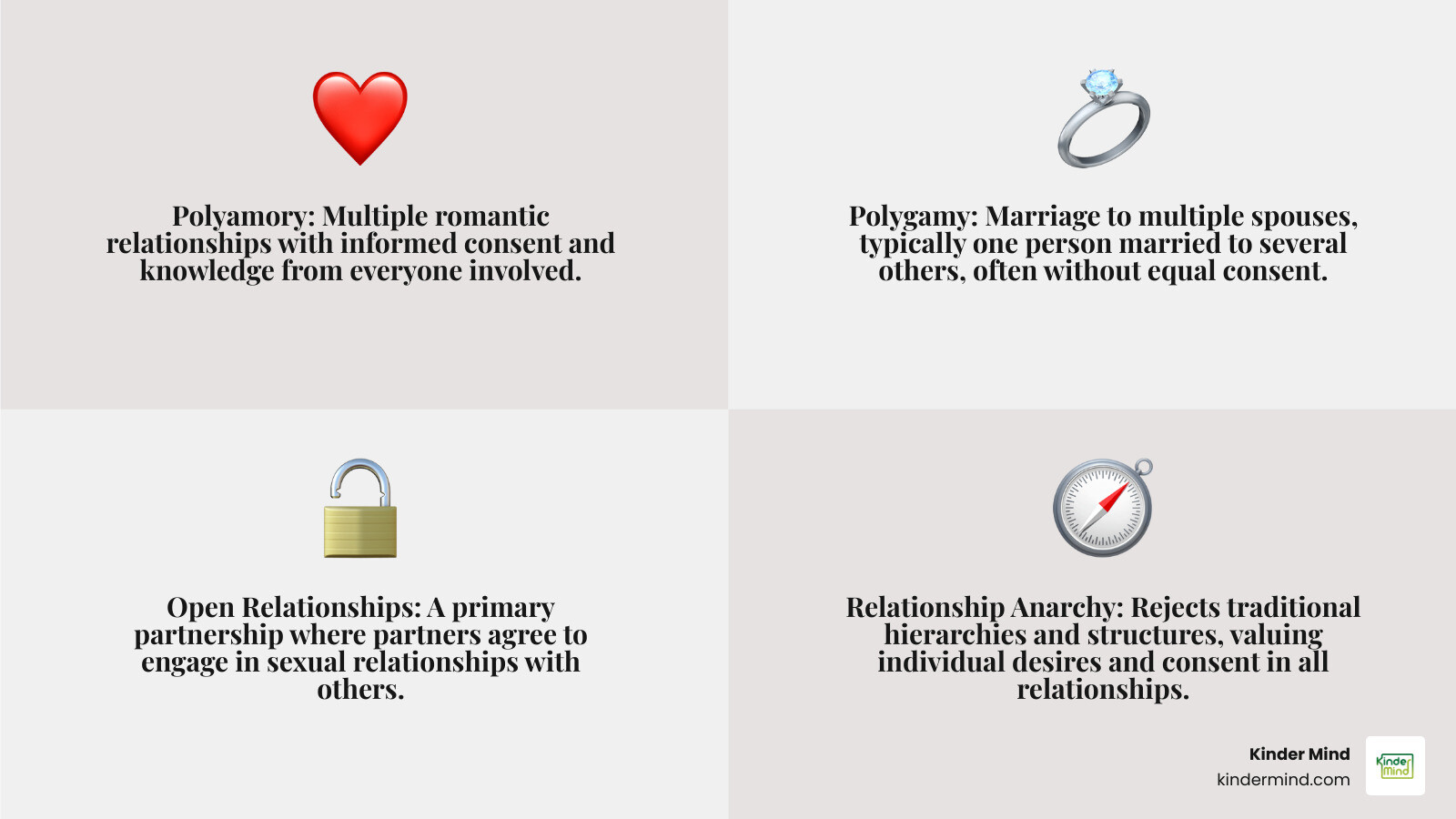
Dating in polyamory means forming romantic relationships with multiple people simultaneously, with the informed consent of everyone involved. Unlike monogamy, it requires navigating complex dynamics, managing multiple connections, and maintaining open communication.
Key aspects of polyamorous dating include:
- Consent and Communication: All partners must agree to the relationship structure and maintain honest dialogue.
- Emotional Skills: Managing jealousy, practicing compersion (joy in a partner's other relationships), and setting clear boundaries.
- Time Management: Balancing multiple relationships with work, self-care, and other commitments.
- Metamour Relationships: Navigating connections with your partners' other partners.
If you're exploring polyamory, you're not alone. About 4% of people actively practice polyamory, while up to 17% are open to it. Over one-fifth of single Americans have engaged in some form of consensual non-monogamy.
Dating in polyamory looks different for everyone, but the common thread is ethical non-monogamy—relationships built on honesty, consent, and respect. This guide will walk you through the practical realities, from finding partners and managing first dates to navigating emotional complexity. It's a journey that requires learning new skills and unlearning societal scripts, but for many, it offers profound personal growth and the freedom to love authentically.
The Foundations of Ethical Polyamorous Dating

Dating in polyamory is ethical when it's built on honesty, consent, and respect. It's the opposite of cheating; everyone knows what's happening and agrees to it. The three pillars are consent, radical honesty, and communication. Consent is an ongoing agreement. Honesty means telling the truth even when it's uncomfortable. Communication is the glue holding it all together. As one polyamory community guideline puts it, "Two of the cultural cornerstones of the polyamory community are honesty and communication."
Unique Challenges and Rewards
Dating in polyamory presents unique challenges. Time management is a major hurdle, as your calendar fills up quickly. The emotional labor of nurturing multiple relationships is significant, and misunderstandings can arise more easily. Society also offers a lack of social scripts for how to steer these relationships, and you may face social stigma from those who don't understand.
However, the rewards are often profound. You gain an expanded support network and enjoy diverse experiences with different partners, which leads to increased self-awareness. You learn what you need, what you value, and how you show up in relationships. And for many, the result is simply more love and connection, allowing them to live more authentically.
Key Ethical Considerations and Best Practices
Informed consent is the heart of ethical polyamory. It's an ongoing conversation, not a one-time checkbox. Honesty with all partners means proactively sharing information that affects your relationships, like developing new feelings or struggling with jealousy.
Respecting autonomy means acknowledging that your partners are individuals who make their own choices. You don't own them or control their other connections. This is why practices like "unicorn hunting"—where a couple seeks a third person to join their relationship without honoring that person's autonomy—are discouraged. It's also important to be aware of couple privilege, where an established couple prioritizes their original bond over new partners, treating them as less important.
Instead of rigid rules, focus on setting clear agreements together. These might cover safer sex, communication expectations, or scheduling. The key is that everyone participates in creating them, and they can be revisited as needed. Books like The Ethical Slut offer frameworks for navigating these ethical dimensions. The foundation is simple: treat people with respect, communicate openly, and build relationships on honesty.
The Practical Guide to Dating in Polyamory
So, how do you actually start dating in polyamory? A key concept to understand is New Relationship Energy (NRE), the giddy feeling of a new connection. While wonderful, it can make existing partners feel insecure. Be mindful of NRE and communicate openly to reassure your other partners that your excitement doesn't diminish what you share with them. Dating in polyamory requires you to be intentional with your time and emotional energy.
How to Find and Connect with Other Polyamorous Individuals
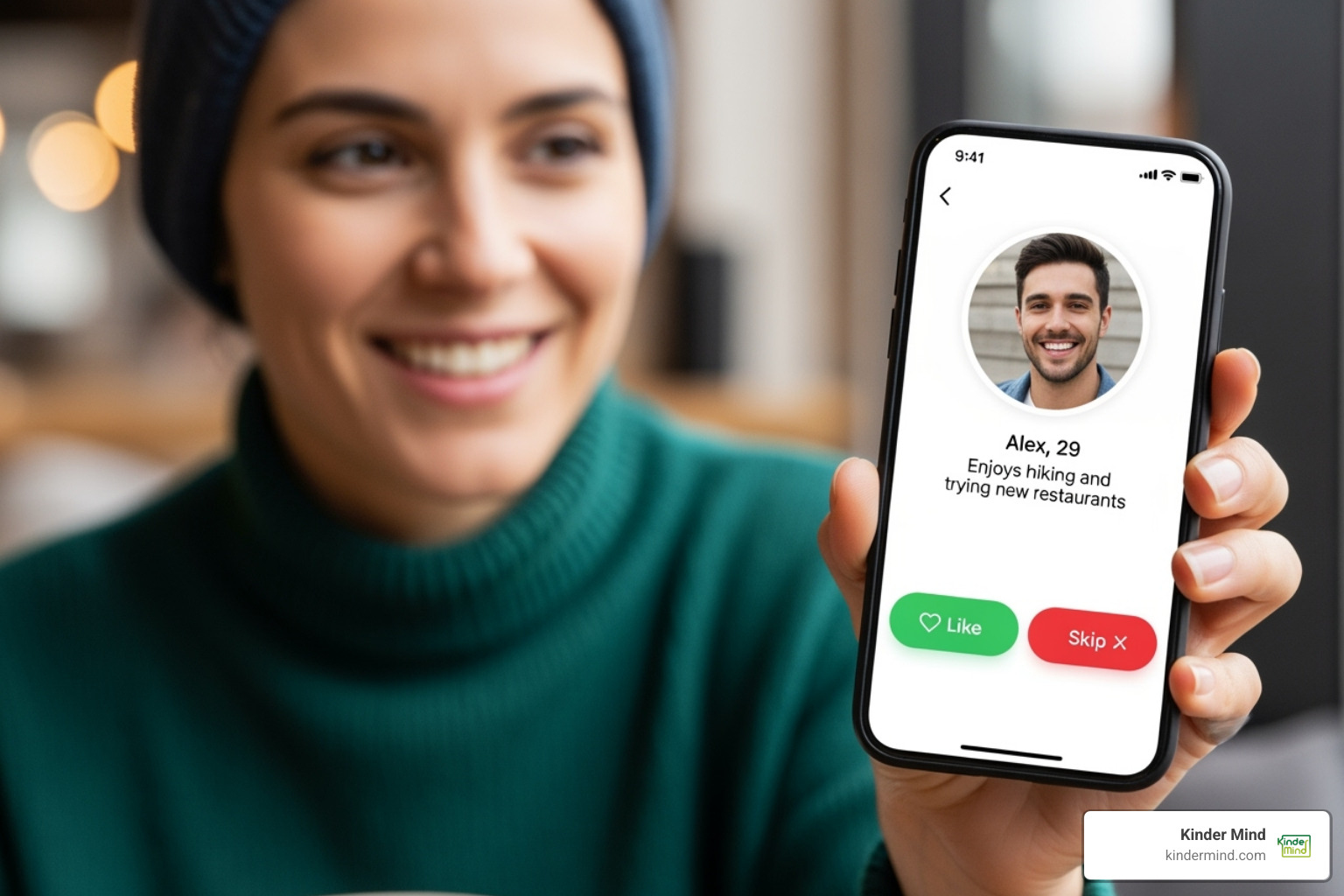
Finding other polyamorous people is easier than ever. Online dating is the most common starting point.
- Poly-Friendly Apps: Apps like Feeld are designed for non-monogamy. Hey Plura (formerly Bloom Community) combines dating with a sex-positive events platform.
- Mainstream Apps: Apps like Bumble now include ethical non-monogamy as a preference. Lex is a text-based app for the queer community, and Grindr is an option for queer men.
- In-Person Events: Look for local polyamory meetups on Facebook or other social platforms. Sex-positive workshops and discussion groups are also great places to connect.
Be patient. Finding compatible partners who share your relationship philosophy takes time.
Your First Dates: New vs. Experienced Partners
First dates in polyamory vary based on your date's experience level.
When dating someone new to polyamory, you may need to be an educator. Be prepared to answer questions about how polyamory works and to set clear expectations about what you can offer. If you don't have the capacity to guide someone, it's kindest to be upfront about it.
When dating someone experienced in polyamory, conversations will likely focus on how your relationship styles might fit. Ask about their existing partners (their polycule), their agreements, and what they're looking for. They may have a nesting partner or be "polysaturated" (at capacity for new serious relationships). Understanding their situation helps you both make informed decisions.
How to Manage Time and Emotional Resources
Managing your calendar and heart is a major challenge when dating in polyamory. Here are some practical tips:
- Use Shared Calendars: This isn't unromantic; it's intentional. It helps plan quality time without double-booking or leaving someone feeling neglected.
- Prioritize Quality over Quantity: When you're with a partner, be fully present. Put your phone away and focus on them.
- Schedule Regular Check-ins: These conversations (sometimes called RADARs) are for discussing how everyone is feeling and if needs are being met. They prevent small issues from becoming big problems.
- Make Self-Care Non-Negotiable: You can't pour from an empty cup. Prioritize sleep, nutrition, and alone time to recharge.
- Respect Your Capacity: Emotional bandwidth is finite. It's okay to be "polysaturated" and unable to take on new connections. Being honest about your limits is responsible and kind.
Building and Maintaining Healthy Polyamorous Connections

The real work of dating in polyamory is in the daily maintenance of multiple relationships. It's about building trust over time and navigating life's changes. This is where your commitment to communication and growth is truly tested, especially when managing relationships with metamours (your partners' other partners).
Essential Communication and Boundary-Setting Strategies for Dating in Polyamory
Communication is everything. Here's what that looks like in practice:
- Active Listening: Truly hear your partner's perspective to make them feel seen and understood.
- Use "I" Statements: Say "I feel anxious when..." instead of "You never..." to open a conversation rather than starting a fight.
- Regular Check-ins: Schedule consistent time (sometimes called "RADARs") to discuss what's working and what's not. This is preventative maintenance.
- Set Boundaries, Not Rules: Rules control others ("You can't..."), while boundaries protect yourself ("I need..."). Healthy polyamory thrives on negotiated agreements and personal boundaries, not rigid rules. As the community emphasizes, you should "ask for what you need directly."
This proactive approach makes dating in polyamory sustainable long-term.
How to Steer Introducing New Partners
Bringing a new partner into your world is a significant step. First, check in with your existing partners. This isn't about asking permission, but about providing information and addressing concerns. Be transparent about your feelings for the new person.
When everyone is ready, choose a neutral, low-pressure setting for the introduction, like a casual group outing. The goal is acknowledgment, not instant friendship. Manage expectations—some introductions are easy, others are awkward. Respect everyone's comfort levels. Some people prefer parallel polyamory (metamours don't interact much), while others prefer kitchen table polyamory (everyone is comfortable hanging out). Neither is better, just different.
Maintaining Healthy Relationships with Metamours
Your metamours (your partner's partners) are a unique part of your life. The relationship you have with them can significantly impact your polycule. Common styles include:
- Kitchen Table Polyamory: Everyone is comfortable gathering, and metamours may become genuine friends.
- Parallel Polyamory: Partners maintain separate relationships, and metamours don't interact much.
- Garden Party Polyamory: A middle ground where metamours are friendly at group events but don't have deep, ongoing relationships.
Regardless of style, respect and empathy are key. Avoid the comparison trap; your relationship with your partner is unique. The "hinge" partner (the person dating both you and your metamour) plays a crucial role in facilitating positive interactions. Treating your metamour with kindness benefits everyone, even if you don't become best friends.
Navigating the Emotional Landscape
Dating in polyamory is an intensive course in emotional intelligence. It pushes you to question societal scripts about how relationships "should" work. Unlearning the idea that monogamy is the only valid path takes time and patience. This journey is challenging, but it offers some of the most meaningful personal growth you can experience.
The Role of Jealousy and Compersion
Feeling jealous doesn't mean you're "doing polyamory wrong." Jealousy is a natural human emotion. In polyamory, it's treated as information—a signal that's trying to tell you something about an insecurity, an unmet need, or a crossed boundary.
When jealousy arises, try to identify your specific triggers, develop self-soothing techniques to calm your nervous system, and communicate your insecurities with your partners. This isn't about demanding they fix your feelings, but about being honest and working together to feel more secure.
The flip side of jealousy is compersion: the warm, joyful feeling you get from seeing your partner happy in another relationship. It's celebrating their joy, even when it doesn't involve you. Compersion may not come naturally, but it can develop over time as trust builds. It's a remarkable feeling that recognizes that love can expand, not just divide.
Debunking Common Misconceptions about Dating in Polyamory
Many opinions about polyamory are simply wrong. Let's clear up the most common myths that make dating in polyamory harder than it needs to be.
Myth: It's just about sex. Reality: Polyamory is about forming multiple deep, emotionally intimate, and committed relationships. The focus is on connection, not just casual encounters.
Myth: It's for people who can't commit. Reality: Polyamory requires more commitment—to honest communication, emotional labor, and honoring agreements with multiple people.
Myth: It's a cure for cheating. Reality: Opening a relationship to fix infidelity will likely make things worse. Polyamory requires a strong foundation of trust, not a band-aid for existing problems.
Myth: It's inherently unstable. Reality: Stability depends on the people and their practices, not the relationship structure. Research shows polyamorous people report similar levels of relationship satisfaction as monogamous people.
Frequently Asked Questions about Polyamorous Dating
How is polyamory different from cheating?
The difference is ethics, honesty, and consent. Cheating involves deception and breaking trust. Dating in polyamory is the opposite. It's built on radical transparency where everyone is aware of and has agreed to the relationship structure. Instead of secrets, there are open conversations. Informed consent is what separates ethical non-monogamy from infidelity.
Can you be single and polyamorous?
Yes, absolutely. This is often called solo polyamory. Solo polyamorous people choose to have multiple relationships while prioritizing their independence. They aren't seeking a primary or nesting partner and don't want to merge their lives in a traditional, couple-centric way. As one blog post on the topic puts it, "Solo Polyamory is still a valid form of ENM." It's about designing relationships that support your life, rather than building your life around a relationship.
What is a metamour?
A metamour is your partner's partner. You are not romantically or sexually involved with them, but they are part of your relationship network. The relationship can take many forms:
- Kitchen table polyamory: Metamours are friends who are comfortable spending time together.
- Parallel polyamory: Metamours acknowledge each other but keep their lives separate.
- Garden party polyamory: A middle ground where metamours are friendly at group events but aren't close.
There's no right way to interact. What matters is mutual respect and open communication about comfort levels.
Conclusion
Understanding dating in polyamory is more than just learning about multiple partners; it's about rethinking what relationships can be. It's a path of self-findy that demands honesty, vulnerability, and continuous communication. While managing multiple relationships takes energy, the rewardsexpanded love, deeper self-awareness, and the joy of compersioncan make it all worthwhile.
Jealousy is information, not failure. It's a signal pointing toward something that needs your attention, whether it's an insecurity, an unmet need, or a boundary that needs adjusting. Polyamory gives you the space to examine these feelings honestly.
You don't have to steer this journey alone. The emotional complexities can be challenging, and professional support can make a real difference. A therapist who understands ethical non-monogamy can help you develop stronger communication skills, work through jealousy, and build the relationships you desire.
Kinder Mind understands that relationships come in all forms, and we're here to support you. Our therapists offer both in-person and virtual sessions, with various payment options including insurance and reduced-rate plans to make care accessible. Whether you're just exploring polyamory or have been practicing for years, we're here to help you build healthy relationshipsstarting with the one you have with yourself.
Explore ethical non-monogamy therapy services
