
Beyond the Couch: Unlocking Support for Your Teen’s Mental Health Journey
Dr. Elizabeth Barlow, LCSW-S · 3/20/2026

Why Adolescence Demands Specialized Mental Health Support
Counselor for teens can be found through several key pathways:
- Pediatrician referrals – Your teen’s doctor can recommend qualified mental health professionals
- School counselors – Can provide initial support and referrals to specialized therapists
- Insurance provider directories – Search for in-network therapists who specialize in adolescents
- Online therapy platforms – Offer virtual sessions with licensed counselors trained in teen issues
- Mental health agencies – Local community centers often provide sliding scale or low-cost services
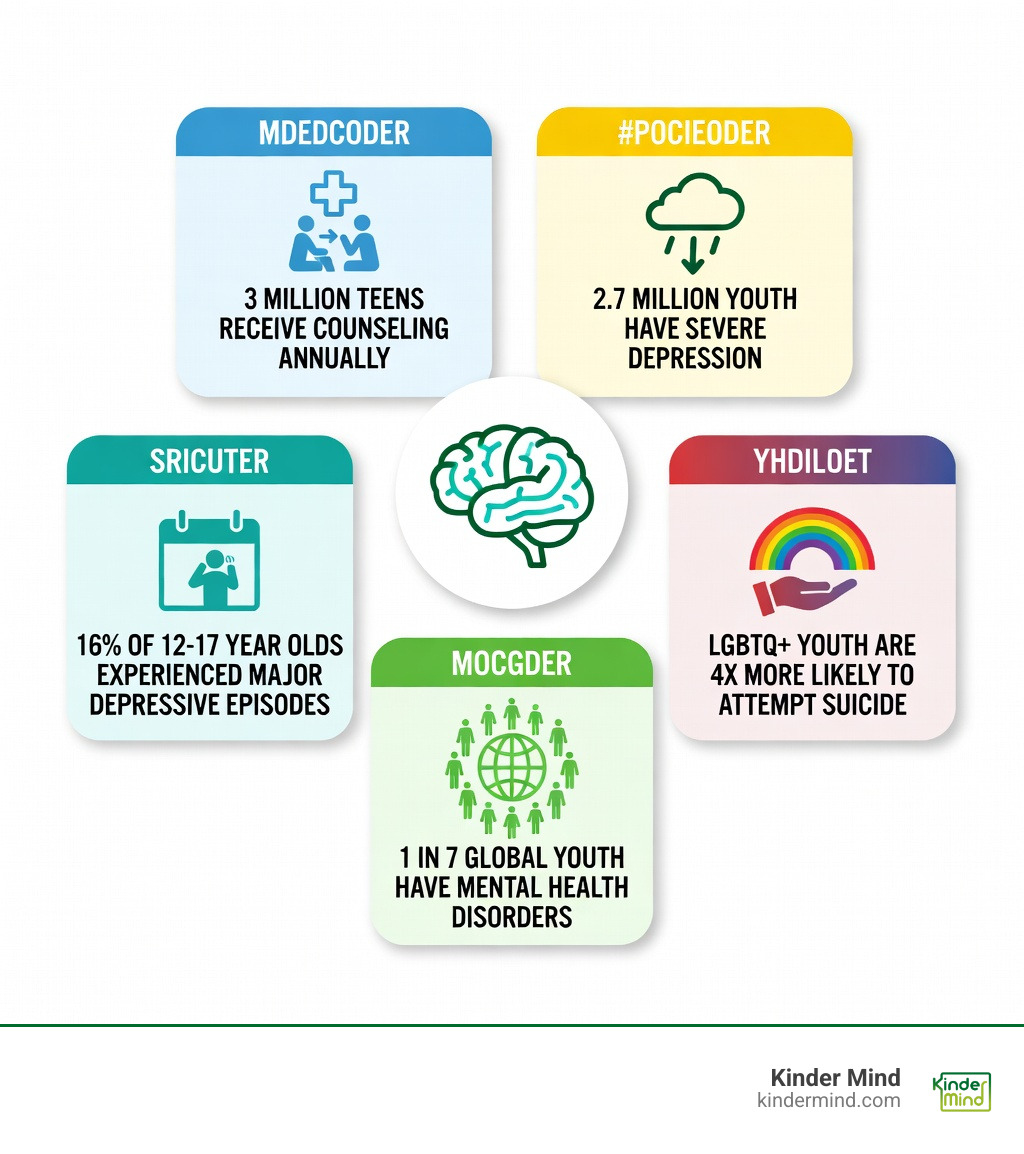
Is your teen withdrawn, irritable, or struggling in ways you can’t quite understand? You’re not alone. Almost 3 million children between ages 12-17 receive counseling or therapy every year in America, yet over 2.7 million youth live with severe major depression—and nearly 60% never receive professional help.
The teenage years bring more than just physical changes. Adolescence technically extends until age 25 as the brain continues developing. During this time, teens navigate identity formation, peer pressure, puberty, and intense emotional experiences—all while their brains aren’t yet equipped for adult-level decision-making.
Here’s what makes this period uniquely challenging: teens often feel caught between childhood and adulthood. They may trust friends more than parents, struggle with questions about sexuality or gender identity, and face pressures from social media that previous generations never experienced. One in seven young people globally (ages 10-19) currently experiences a mental health disorder, according to the World Health Organization.
A counselor provides something parents and friends cannot: an unbiased, trained professional who creates a safe space without judgment or personal history. They help teens process emotions, develop healthy coping mechanisms, and build skills that last into adulthood—from communication and conflict resolution to managing anxiety and negative thinking patterns.
The good news? Teen counseling is more accessible than ever, with options ranging from in-person sessions to virtual therapy, and from insurance-covered care to sliding scale fees based on income.
Counselor for teens word guide:
Understanding the Role of a Counselor for Teens
When a teenager enters therapy, they aren’t just “talking to another adult.” A counselor for teens serves as a neutral, wisdom-providing confidant who bridges the gap between adolescent confusion and adult guidance. Unlike a parent, who has a vested interest and emotional history with the child, or a friend, who may lack the maturity to provide sound advice, a therapist offers an objective perspective.
The Shift from Parents to Peers
During adolescence, it is developmentally normal for teens to distance themselves from their parents. Friends often become the primary influence, and parents can sometimes feel like “the enemy.” A therapist steps into this dynamic as a trusted third party. Because the therapist is not part of the teen’s daily “authority” structure, the teen is often more willing to listen to their guidance.
Navigating Identity and Puberty
The teenage years are a whirlwind of identity formation and physical changes. Teens are grappling with:
- Identity Formation: Figuring out who they are outside of their family unit.
- Puberty and Sexuality: Navigating the intense physical and hormonal shifts of puberty.
- LGBTQ+ Affirming Care: Many teens struggle with sexuality or gender identity. Statistics show that LGBTQ+ youth are more than four times as likely to attempt suicide compared to their peers, making specialized teen therapy services a critical resource for safety and self-acceptance.
Developing Essential Life Skills
The ultimate goal of a counselor for teens is to equip young people with tools for emotional regulation and self-advocacy. According to the World Health Organization, untreated mental health conditions in adolescence can impair both physical and mental health in adulthood. Therapy helps teens learn to manage intense emotions, communicate their needs effectively, and navigate social pressures without losing their sense of self.
Recognizing When Your Teen Needs Professional Support
It can be difficult for parents to distinguish between “normal teen angst” and a serious mental health concern. While mood swings and a desire for privacy are common, certain red flags suggest that a teen is struggling with issues that require professional intervention.

Common Red Flags
- Academic Decline: A sudden, sharp drop in grades or a loss of interest in school activities.
- Social Isolation: Withdrawing from friends, quitting sports or clubs they used to love, or spending excessive time alone.
- Mood Swings and Defiance: While some irritability is normal, extreme rage, persistent sadness, or frequent lying can indicate deeper distress.
- Sleep and Eating Disturbances: Significant changes in appetite or sleep patterns (sleeping too much or not at all) are often signs of depression or anxiety.
- Eating Disorder Signs: Given that 95% of people with eating disorders are between ages 12 and 25, any obsession with body image or restrictive eating should be taken seriously.
Normal Angst vs. Serious Concerns
| Behavior | Normal Adolescent Development | Serious Mental Health Concern |
|---|---|---|
| Mood | Occasional irritability or “moodiness” | Persistent sadness, hopelessness, or rage |
| Social Life | Preferring friends over family | Complete withdrawal from all social circles |
| School | Stressing over a big exam | Refusing to go to school or failing all classes |
| Interests | Changing hobbies or styles | Losing interest in everything they once enjoyed |
| Safety | Occasional risky (but not lethal) behavior | Self-harm, substance abuse, or suicidal ideation |
If you notice these shifts, it may be time to look into unmasking social anxiety in teens or addressing potential depression. According to Mental Health America, over 16% of youth experienced at least one major depressive episode in the past year. Trusting your parental instinct is key—if something feels “off,” it usually is.
Effective Therapy Modalities for Teenagers
Not all therapy is “talk therapy” in the traditional sense. Different teens require different approaches based on their personalities and the challenges they face.
Cognitive Behavioral Therapy (CBT)
CBT is often the first line of treatment for adolescent anxiety and depression. It works by helping teens recognize and reframe negative thought patterns. For example, if a teen believes “everyone at school hates me,” CBT helps them examine the evidence and develop more realistic, helpful thoughts. Scientific research consistently shows that CBT is highly effective for this age group.
Dialectical Behavior Therapy (DBT)
DBT is particularly useful for teens experiencing intense emotions, impulsivity, or self-harm. It teaches four key skills: mindfulness, distress tolerance, emotion regulation, and interpersonal effectiveness. It’s about finding a balance between accepting oneself and changing unhelpful behaviors.
Family Therapy
Adolescent challenges rarely happen in a vacuum. Often, the family system needs support to improve communication and resolve conflicts. Family therapy can be especially helpful when navigating support for school-related issues or helping the family adjust after a major life change, such as therapy for kids of divorce.
Other Specialized Approaches
- Acceptance and Commitment Therapy (ACT): Focuses on accepting what is out of one’s control and committing to actions that improve and enrich life.
- Trauma-Focused Care: For teens who have experienced abuse, loss, or community violence, trauma-informed therapists use specialized techniques to help them process these events safely.
- Group Therapy: Allows teens to realize they aren’t alone. It provides a peer-supported environment to practice social skills and emotional regulation.
How to Find the Right Counselor for Teens
Finding a counselor for teens who is a “good fit” is essential for success. Teens are unlikely to open up if they don’t feel a genuine connection with their therapist.
Key Considerations for Parents
- Specialization: Look for a provider who specifically lists “adolescents” or “teens” as a specialty. The techniques used for children or adults don’t always translate to the teenage years.
- Insurance and Cost: Many families rely on insurance to cover mental health services. It’s important to verify coverage, deductibles, and co-pays. Some providers also offer sliding scale fees or reduced-rate plans to make care more affordable.
- In-Person vs. Virtual: Research shows that online therapy is just as effective as in-person treatment for many teens. Virtual options can be more convenient for busy school and extracurricular schedules and may feel less intimidating for “digital native” teenagers.
- Cultural and Gender Sensitivity: For many teens, having a therapist who understands their cultural background or gender identity is a prerequisite for trust. LGBTQ+ affirming care is vital for ensuring a safe therapeutic environment.
Where to Start the Search
- Pediatrician Referrals: Your child’s doctor often has a list of trusted local mental health professionals.
- School Counselors: They can provide insights into your teen’s behavior at school and offer referrals for external help.
- Online Directories: Websites like Psychology Today allow you to filter by location, insurance, and specialty.
- Specialized Centers: Seeking a specialized counselor for teens ensures the provider understands the unique nuances of adolescent brain development.
Privacy and Confidentiality
Confidentiality is the cornerstone of the therapeutic relationship. Under HIPAA compliance and ethical codes, a counselor for teens generally cannot share what the teen says in session with the parents, with three major exceptions:
- The teen is a danger to themselves (suicidal ideation or self-harm).
- The teen is a danger to others.
- There is evidence of ongoing abuse or neglect.
Understanding these boundaries helps the teen feel safe enough to be honest, which is the only way true progress happens.
Frequently Asked Questions about Teen Counseling
How long does a typical session with a counselor for teens last?
A standard counseling session usually lasts between 45 and 60 minutes. Most therapists recommend meeting once a week, especially at the beginning of treatment, to build rapport and establish a rhythm. Depending on the teen’s needs and goals, therapy might be short-term (8–12 sessions) or continue for several months to address deeper, long-term issues.
What is the difference between a school counselor and a private counselor for teens?
School counselors are incredible resources for academic advising, social-emotional support within the school building, and navigating school-based issues like bullying or study skills. However, they typically do not provide clinical diagnoses or long-term, intensive therapy. A private counselor provides specialized clinical treatment for mental health disorders and can offer deeper, more consistent support than a school setting usually allows.
Can a teen see a counselor without parental consent?
This depends on state laws. For example, under New York State law, minors can sometimes receive outpatient mental health care without a parent’s consent under specific conditions (such as if the care is deemed necessary for the minor’s well-being and seeking parental consent would be detrimental). However, in most cases, parental consent is required for long-term treatment. Regardless of consent, if a teen is in immediate crisis, they can always contact the 988 Suicide & Crisis Lifeline fo
