
Unmasking Social Anxiety: Recognizing and Supporting Teens
Dr. Elizabeth Barlow, LCSW-S · 1/16/2026

Understanding the Silent Struggle: Why Social Anxiety in Teens Matters
Social anxiety teens experience goes far beyond everyday nervousness—it’s an intense, persistent fear of social situations that can significantly impact their daily lives, academic performance, and future relationships.
Quick Answer: What You Need to Know About Social Anxiety in Teens
- What it is: A mental health condition where teens experience overwhelming fear of judgment, scrutiny, or embarrassment in social situations
- How common: Affects approximately 1 in 3 adolescents between ages 13-18, with symptoms typically beginning around age 13
- Key signs: Avoiding school or social events, difficulty making friends, intense worry before social situations, physical symptoms like sweating or nausea
- What’s different from shyness: Social anxiety significantly impairs functioning and doesn’t improve on its own without treatment
- Treatment works: Cognitive Behavioral Therapy (CBT) and exposure therapy show strong effectiveness, with many teens seeing significant improvement
When you’re a teen, you start being more aware of what other people think. But for some teenagers, this awareness becomes paralyzing. They might avoid chatting with friends in the lunchroom, skip after-school clubs, or feel physically sick before giving a class presentation.
Social anxiety disorder is the third most common mental health disorder in the country, yet only 5% of people with social anxiety seek treatment. This is particularly concerning during adolescence—a critical period when teens establish lifelong social patterns and build their sense of identity.
The good news? Social anxiety is treatable. With the right support, teens can learn to manage their fears, build confidence, and develop the social skills they need to thrive.
What is Social Anxiety and How Does it Affect Teens?
Social anxiety disorder, often called social phobia, is characterized by a marked and persistent fear of being humiliated or scrutinized by others. It’s a mental health condition where individuals feel symptoms of anxiety or fear in situations where they may be judged, evaluated, or observed. This fear can feel uncontrollable and profoundly interfere with daily life, leading to avoidance of distressing situations.
While it’s natural to feel a little nervous or self-conscious in certain social situations, social anxiety teens experience is far more intense and pervasive. It’s not merely shyness; it’s a deep-seated fear that can prevent a teen from participating in necessary or desired activities. The median age of onset for social anxiety disorder is 13 years, meaning it often takes root during this crucial developmental period.
Here’s a comparison to help distinguish between normal shyness and social anxiety disorder:
| Feature | Shyness | Social Anxiety Disorder (SAD) |
|---|---|---|
| Nature of discomfort | Mild discomfort, temporary, situational | Intense, persistent fear, often debilitating, impacts daily functioning |
| Impact on daily life | May limit some social activities, but generally manageable | Significantly impairs school, social, and family life; leads to avoidance of essential activities |
| Fear of judgment | Present, but not overwhelming or paralyzing | Overwhelming fear of negative evaluation, humiliation, or embarrassment; body reacts as if in real danger |
| Avoidance | May occasionally avoid, but generally pushes through | Consistent avoidance of feared social situations, leading to isolation |
| Physical symptoms | Mild nervousness | Pronounced physical symptoms (fast heart rate, sweating, shaking, nausea, blushing) |
| Duration | Often temporary, may lessen with familiarity | Persistent, lasts at least 6 months, unlikely to improve without treatment |
| Interference with goals | Minimal | Prevents achievement of personal, academic, and social goals |
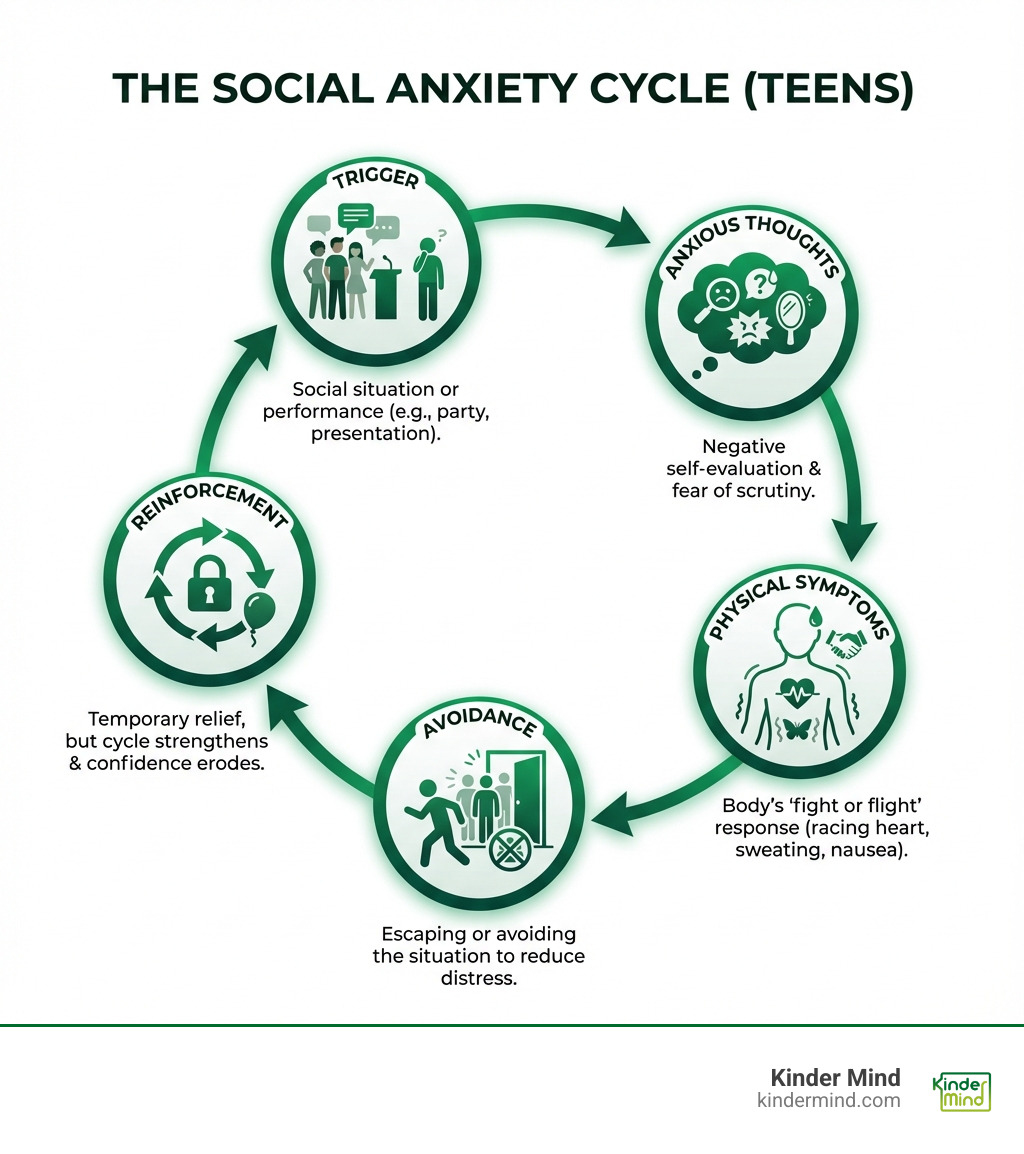
Adolescence is a time of significant change, both physically and emotionally. The adolescent brain is still developing, particularly regions involved in social cognition and emotion regulation. This period is marked by heightened self-consciousness and a strong desire for peer acceptance. Teens are naturally more aware of what others think, and the pressure to fit in, wear the “right” clothes, or say the “right” things can be immense. For social anxiety teens, this normal developmental phase becomes amplified into an overwhelming terror of how they will be perceived. This intense focus on potential negative judgment can lead to a cycle where the body and mind react as if a social situation is a real danger, triggering a “fight or flight” response.
The prevalence of social anxiety in this age group is significant. Social anxiety disorder affects 1 out of 3 adolescents between 13 and 18 years old. Prevalence rates of around 10% have been reported by the end of adolescence in US samples. An estimated 9.1% of adolescents surveyed had social anxiety disorder, with 1.3% experiencing severe impairment. This highlights why understanding and addressing social anxiety during these formative years is so crucial. For more information on anxiety statistics, visit the National Institute of Mental Health.
Recognizing the Signs and Long-Term Impact
Recognizing social anxiety in teens can sometimes be challenging because adolescents may try to hide their anxious feelings due to shame or embarrassment. Often, parents might notice behavioral changes without immediately understanding the underlying cause. However, a combination of emotional, physical, and behavioral signs can signal that a teen is struggling with social anxiety.
Common Signs of Social Anxiety in Teens
Social anxiety teens exhibit a range of symptoms, both internal and external. Emotionally, they may feel self-conscious, fearing being judged, embarrassed, or looking foolish. They might worry excessively about making mistakes or being criticized. This internal turmoil can manifest as:
- Intense fear of social situations: This includes everyday interactions like meeting new people, talking in groups, participating in class, or even eating in front of others.
- Worrying before events: Teens with social anxiety often worry for days or weeks in advance of social events, agonizing over what might go wrong.
- Avoidance of school, parties, or public places: They might make excuses to skip school, decline invitations to social gatherings, or avoid public spaces where they might encounter peers. This avoidance can extend to specific activities like using public restrooms or eating in front of others.
- Difficulty making friends: Their fear of judgment can prevent them from initiating conversations or forming new relationships, leading to loneliness.
- Fear of speaking in class: This can include being called on, reading aloud, giving presentations, or even asking a teacher for help. Selective mutism, where a student is so fearful they don’t speak at all in certain settings, is a severe form of social anxiety.
- Over-analyzing interactions: After a social event, they might replay conversations in their mind, focusing on perceived mistakes or awkward moments (post-event processing).
- Physical symptoms: The body’s “fight or flight” response can trigger a fast heartbeat, rapid breathing, shaking, sweating, blushing, nausea, or a feeling of a blank mind. Some teens might experience stomach pains, shallow breathing, dizziness, or tense muscles.
- Behavioral cues: They might avoid eye contact, speak in an overly soft voice, have rigid body posture, or mumble. Sometimes, what appears as aggression or anger can actually be a manifestation of underlying anxiety.
Common triggers for social anxiety teens can include:
- Public speaking or presentations
- Meeting new people or strangers
- Eating or drinking in front of others
- Being observed while doing something (e.g., writing, playing sports)
- Participating in class or answering questions
- Going to parties or social gatherings
- Making phone calls
- Using public bathrooms
- Dating or romantic interactions
- Interacting with authority figures (teachers, coaches)
- Group projects
The Ripple Effect on a Teen’s Life
The impact of social anxiety on a teenager’s life can be profound and far-reaching, affecting nearly every aspect of their development.
- Academic struggles: Fear of class participation, asking questions, or giving presentations can lead to underachievement. Students might cut class to avoid a presentation, leading teachers to misinterpret their behavior as disinterest in grades. Socially anxious adolescents are at risk of leaving school early and obtaining poorer qualifications.
- School refusal: In severe cases, the anxiety associated with school can lead to complete avoidance, severely disrupting their education.
- Social isolation and fewer friendships: Avoiding social situations means missing opportunities to build friendships and connect with peers. Socially anxious adolescents report having fewer friends, and the peer and romantic relationships they do have are often of poorer quality. This can lead to profound loneliness.
- Difficulty with romantic relationships: The fear of judgment and embarrassment can make dating or forming romantic connections incredibly challenging.
- Low self-esteem: Constant self-criticism and fear of negative evaluation erode a teen’s sense of self-worth and confidence.
- Increased risk for depression: The loneliness, isolation, and perceived failures in social interactions can lead to feelings of hopelessness and worthlessness, increasing the likelihood of developing depression. Anxiety disorders are highly comorbid with eating disorders and depression.
- Substance use as coping: Some teens may turn to alcohol or drugs as a way to self-medicate and cope with intense anxiety in social settings. This can exacerbate the problem and lead to further health issues.
- Poorer long-term outcomes: Untreated social anxiety in adolescence is associated with considerable impairment that persists into adulthood. Children with social anxiety who had symptoms before age 12 are unlikely to outgrow them without treatment. They may continue to have problems in interpersonal situations, careers, and overall quality of life.
Understanding the Causes and Risk Factors

The development of social anxiety in teens is rarely due to a single cause; rather, it’s often a complex interplay of various factors. Experts are not entirely sure what causes social anxiety disorder, but research points to a combination of genetic, environmental, and behavioral influences.
- Genetic predisposition: Social anxiety can run in families, suggesting a genetic component. If a close family member has social anxiety, a teen is two to six times more likely to develop it. This is thought to be linked to how brain areas involved in fear and anxiety function, with genetics influencing these mechanisms. An overactive amygdala, the brain’s fear response center, can make individuals more prone to anxiety.
- Temperament: Some children are born with a more inhibited or shy temperament, making them more cautious and withdrawn in new situations. This inherent shyness, while not social anxiety itself, can be a risk factor if not managed effectively.
- Behavioral inhibition: This refers to a consistent tendency to respond with fear and withdrawal to unfamiliar people, objects, or situations. Children with high behavioral inhibition may be more vulnerable to developing social anxiety.
- Negative thought patterns and interpretation bias: Teens with social anxiety often have maladaptive thought patterns, such as assuming the worst in social situations, constantly worrying about what others think, or focusing on perceived flaws. They might interpret ambiguous social cues negatively or have negative self-images of themselves looking awkward or stupid from an observer’s perspective.
- Bullying and teasing: Experiencing bullying, whether traditional or cyberbullying, can be a significant traumatic event that contributes to the development or worsening of social anxiety. Socially anxious adolescents are more likely to be victims of bullying. The fear of future victimization can lead to avoidance of social interactions.
- Overprotective parenting: While well-intentioned, overprotective or psychologically controlling parenting styles can hinder a teen’s ability to develop independence and steer social challenges, potentially increasing their vulnerability to social anxiety. If parents model social fears or are overly critical, a child may learn anxious behaviors.
- Stressful life events: Traumatic experiences, significant life changes, or chronic stress can trigger or exacerbate social anxiety.
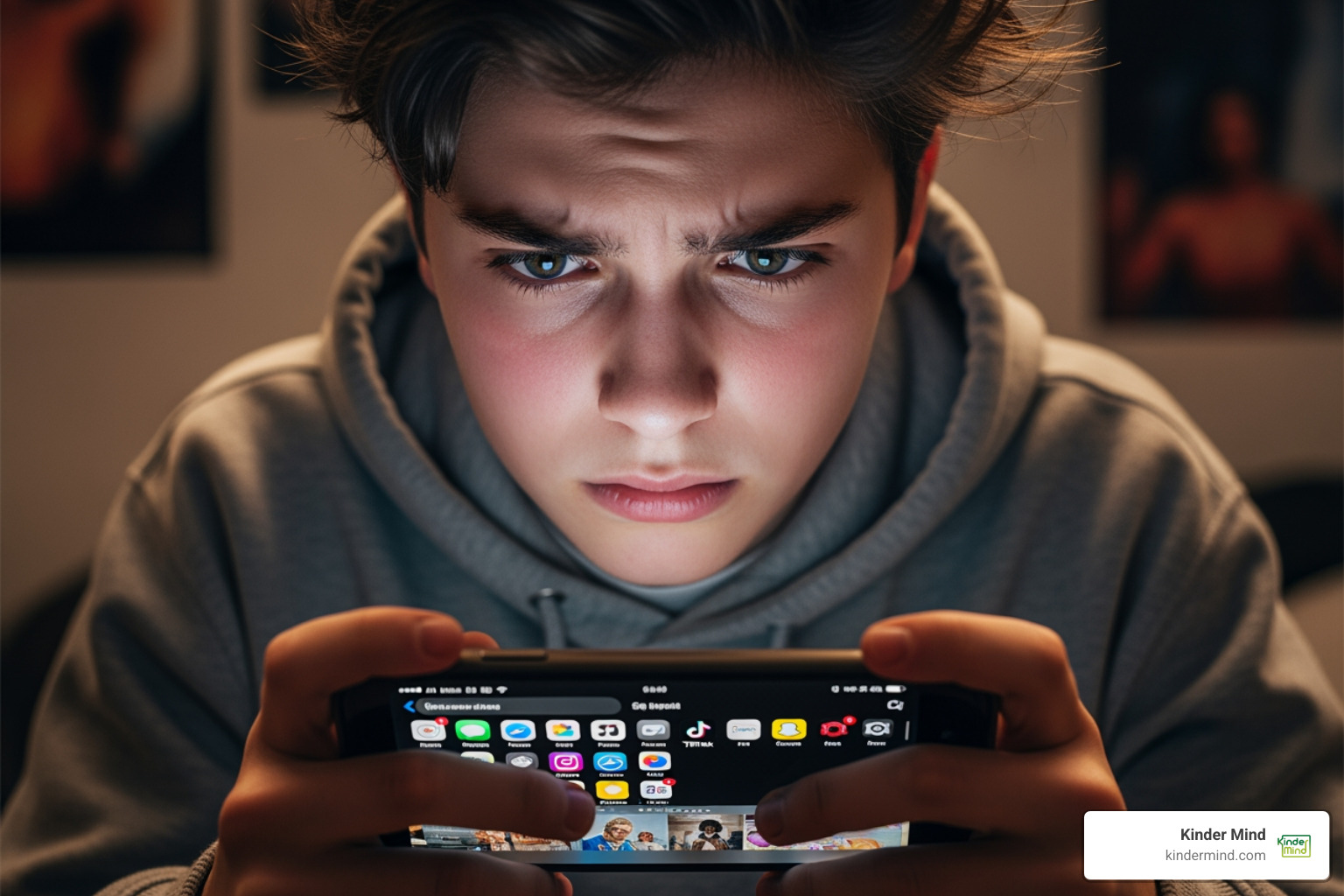
- Social media pressure and cyberbullying: The constant connectivity and curated images on social media can intensify feelings of self-consciousness and comparison among teens. The fear of negative comments, exclusion, or cyberbullying can contribute to social anxiety, making online interactions a source of stress rather than connection. While some socially anxious individuals might initially use online platforms as a “safer” way to interact, excessive or problematic use can sometimes worsen isolation and anxiety.
These factors don’t guarantee social anxiety, but they can increase a teen’s susceptibility. Understanding these potential influences can help in identifying at-risk individuals and tailoring effective interventions.
Pathways to Confidence: Treatment and Support for Social Anxiety in Teens
For social anxiety teens, the journey toward confidence and managing their fears is a path filled with hope and the possibility of profound recovery. With appropriate professional help, unwavering parental support, and the development of effective coping skills, teens can learn to steer social situations with greater ease and accept opportunities they once avoided. The goal is not to eliminate all nervousness—a little stage fright is normal—but to reduce the intense fear that prevents them from living a full life.
Professional Treatment Options
The good news is that social anxiety disorder is a highly treatable mental health condition. The most common and effective treatments typically involve psychotherapy, medication, or a combination of the two.
- Cognitive Behavioral Therapy (CBT): CBT is widely considered the “gold standard” of treatment for social anxiety. This evidence-based, typically short-term, goal-oriented psychotherapy helps individuals understand the