
High-Functioning Depression: What It Is and How to Cope
What High-Functioning Depression Really Means

High functioning depression describes a condition where you experience depressive symptoms like sadness and fatigue while still managing daily responsibilities. You might excel at work and maintain relationships, appearing successful on the outside—but inside, you're struggling.
Key things to know about high-functioning depression:
- It's not an official diagnosis - It's often diagnosed as Persistent Depressive Disorder (PDD) or dysthymia.
- Symptoms last at least 2 years - This is a chronic, low-grade depression.
- You can still function - Unlike major depression, you maintain work, relationships, and daily tasks.
- It's invisible to others - Like a duck gliding on water while its feet paddle frantically beneath the surface.
- 1 in 5 U.S. adults experience mental illness - You're not alone in this struggle.
You might appear put-together at work, only to collapse in exhaustion and despair after everyone leaves. This gap between how you appear and how you feel is the reality of high-functioning depression.
Why this matters: Many people with this condition don't seek help because they think they're "not sick enough." But persistent sadness, fatigue, and a feeling of just getting by are signs that you deserve support.
High-functioning depression often begins in childhood or young adulthood and can continue for years if untreated. The good news is that it's highly treatable with the right support.
Understanding the Signs and Symptoms of High-Functioning Depression
People with high functioning depression are often experts at hiding their pain behind a mask of competence. They meet deadlines and maintain relationships while fighting an exhausting internal battle. This masking is insidious; they may appear successful while using every ounce of energy just to keep their head above water.
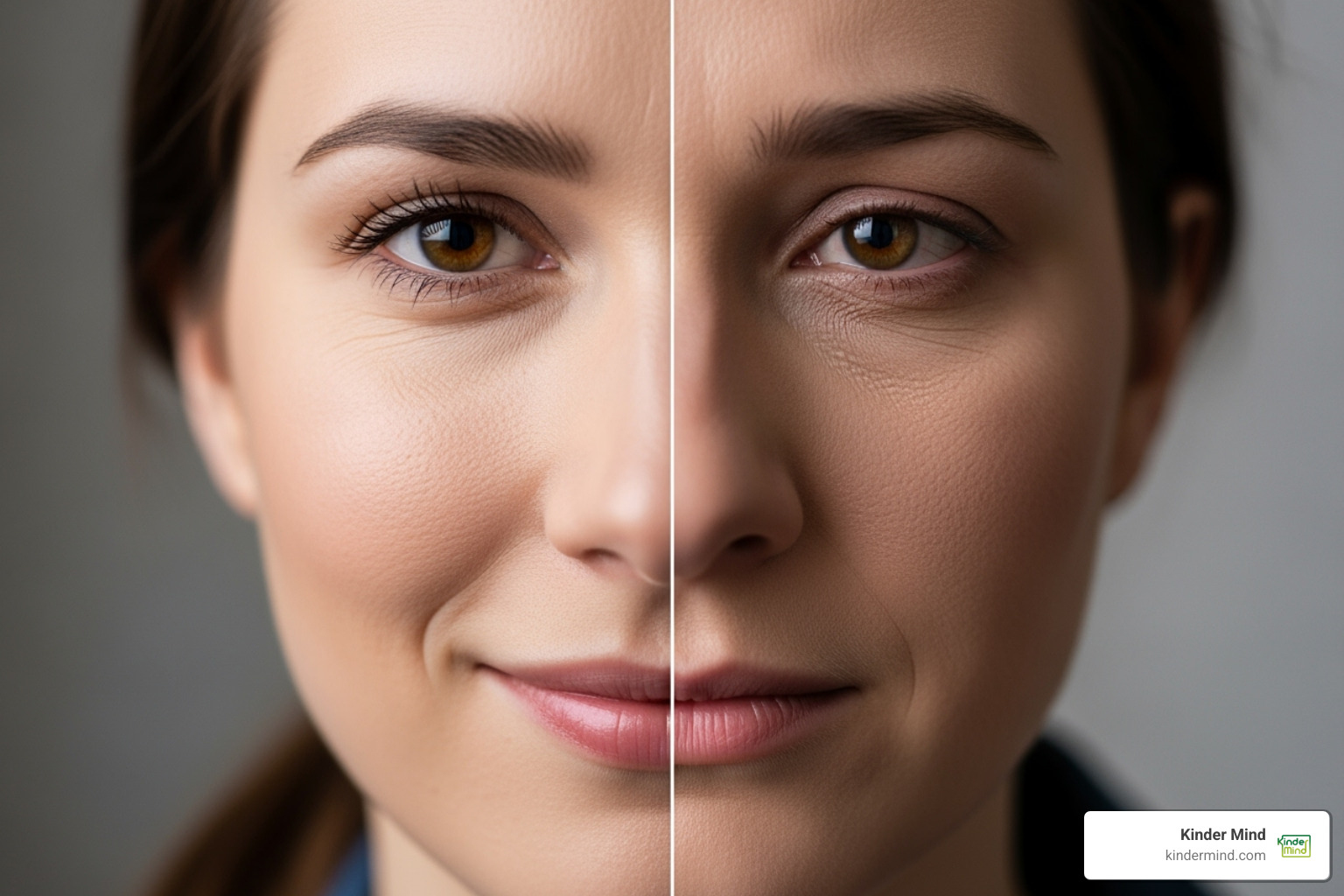
The symptoms often mirror other forms of depression but are quieter and more subtle, making everything feel harder than it should be.
- Persistent sadness or emptiness: A chronic low mood or emotional numbness that never quite lifts, even during good moments.
- Fatigue and lack of energy: Waking up exhausted despite getting enough sleep. Basic tasks feel monumental. As clinical psychologist Dr. Roberta Ballard explains, someone with high functioning depression is "underfunctioning compared to their usual baseline, but it's not apparent because they are able to meet general expectations."
- Changes in sleep or appetite: Sleeping too much or too little, or changes in eating patterns like loss of appetite or comfort eating.
- Difficulty concentrating: A mental fog that makes work and decision-making require intense effort.
- Irritability: Snapping at loved ones or feeling impatient over small things. This is common in adults, as well as children and adolescents with PDD.
- Loss of interest (anhedonia): The joy is gone from activities you once loved. You go through the motions, but nothing feels right. Research links higher anhedonia scores with high functioning depression.
- Self-criticism and perfectionism: A harsh inner critic points out every failure, making accomplishments feel hollow. This constant striving leads to emotional exhaustion.
- Social withdrawal: An internal sense of isolation, even when you're with others. You might decline invitations because pretending to be okay is too overwhelming.
These symptoms are present but not always dramatic enough to stop your life, which makes them easy to dismiss—and so important to recognize.
How HFD Differs from Major Depressive Disorder
Understanding how high functioning depression differs from Major Depressive Disorder (MDD) can clarify your experience. While both involve depressive symptoms, they appear differently in daily life.
| Feature | High-Functioning Depression (often PDD) | Major Depressive Disorder (MDD) | Burnout |
|---|---|---|---|
| Official Diagnosis | No (colloquial term, often PDD) | Yes | No (occupational phenomenon) |
| Symptom Severity | Milder, but persistent | More severe, debilitating | Exhaustion, cynicism, reduced efficacy |
| Duration of Symptoms | At least 2 years (PDD) | At least 2 weeks | Prolonged work-related stress |
| Impact on Functioning | Maintains daily responsibilities | Significant impairment | Impaired work performance |
| Internal Experience | Chronic sadness, emptiness, fatigue | Intense despair, hopelessness | Depletion, detachment |
| Outward Appearance | Appears normal, successful | Often visibly distressed | Overwhelmed, disengaged |
The key difference is the functioning level. With high functioning depression, you still manage responsibilities like work and family care, tasks someone with MDD might struggle to complete. You appear fine, but internally, you're hanging on by a thread.
As psychologist Dawn Potter notes, "Depression isn't always something you can see in others or pinpoint easily in yourself... For some people, depression lives under the surface." This hidden nature defines the condition. While symptoms may seem milder than in major depression, their persistence is what wears you down. You underfunction compared to your baseline, but because you meet expectations, the struggle often goes unnoticed.
For more information on different types of depression, you can explore More info about Depression.
The Link to Persistent Depressive Disorder (PDD)
While high functioning depression isn't a formal diagnosis, it's often identified as Persistent Depressive Disorder (PDD), or dysthymia.
PDD is defined by its chronic nature. A diagnosis requires depressive symptoms for at least two years (one year for children/adolescents). Symptoms are typically milder than major depression but are continuous, rarely disappearing for more than two months at a time.
People with PDD often feel sad and empty, lose interest in activities, and find that everything requires more effort. Others may see them as having a "gloomy personality." In children, PDD often appears as irritability.
PDD often begins early in life (childhood, teens, or young adulthood) and can continue for decades. Because of its early onset, you might mistake the low mood for part of your personality—"this is just how I am"—rather than a treatable condition.
You can learn more at What is Persistent Depressive Disorder?. PDD often co-occurs with anxiety disorders; if this is your experience, resources like Therapy for Anxiety can help.
Potential Causes and the Risks of Untreated HFD
High functioning depression develops from a complex mix of factors.
- Biology: A family history of depression increases your risk. Imbalances in brain chemistry (neurotransmitters like serotonin and dopamine) also play a role.
- Life experiences: Trauma and prolonged stress are powerful triggers. Research on trauma and depression shows a clear connection. Chronic stress from work or personal life depletes your emotional and physical resources.
- Substance use: Substances may seem like a way to cope, but they often worsen depression and create a difficult cycle. Nearly 20% of people with alcohol dependence are considered high-functioning.
If you've experienced trauma, resources like Understanding PTSD Symptoms, Recovery, and Support can offer insight.
Why It's Important to Seek Treatment
The dangerous trap of high functioning depression is convincing yourself you don't need help because you're still performing. But untreated depression carries significant risks:

- Burnout: Maintaining the facade is exhausting and eventually leads to hitting a wall.
- Worsening symptoms: A persistent low mood can intensify into major depressive disorder, making the internal toll unbearable.
- Strained relationships: Loved ones often sense the emotional distance, irritability, and lack of genuine connection.
- Physical health problems: Chronic stress and depression can manifest as persistent aches, digestive issues, and fatigue. Learn more about The link between chronic illness and mental health.
- Increased risk of substance abuse: Self-medicating with alcohol or drugs can create a cycle of new problems.
- Suicidal thoughts: The burden of masking your pain can lead to desperate thoughts, even when you appear successful. If you're having thoughts of self-harm, please reach out to the 988 Suicide & Crisis Lifeline 24/7.
You're missing out on truly living. You're surviving, not thriving. Seeking treatment isn't admitting defeat—it's choosing to feel well, not just appear well. You don't have to wait until you can't get out of bed to ask for help.
Coping Strategies and Professional Treatment for High-Functioning Depression
You don't have to carry the invisible weight of high functioning depression alone. Effective strategies and professional support can help you move from surviving to living well.
The first step is seeking a professional diagnosis. A mental health professional can determine the most accurate diagnosis—likely Persistent Depressive Disorder (PDD) or a form of Major Depressive Disorder—which shapes your treatment plan. A diagnosis validates your experience, confirming that your struggle is real and deserves support.
While professional treatment is key, self-care strategies can ease the daily burden:
- Physical activity: Even a 15-minute walk can boost your mood and energy by releasing feel-good chemicals in the brain.
- Nutrition and hydration: Eating balanced meals and staying hydrated are fundamental for mental well-being, though depression can make this difficult.
- Adequate sleep: Aim for seven to nine hours a night. Discuss sleep disturbances with your therapist, as they are a core symptom of depression.
- Joyful activities: Make space for hobbies that bring you peace or joy, like reading, gardening, or painting. These are necessary pauses, not luxuries.
- Mindfulness: Practices like deep breathing can calm anxious thoughts. The Benefits of Incorporating Mindfulness into Your Daily Life explores how to break cycles of negative thinking.
- Connection: Lean on friends, family, or support groups for emotional understanding and practical help.
Finding the Right Therapy
Professional therapy is often a turning point for people with high functioning depression. It's a confidential space to drop the mask and learn new ways to cope.
- Cognitive Behavioral Therapy (CBT) is a gold standard for treating depression. It helps you identify, challenge, and reframe automatic negative thoughts. You learn practical skills for responding to difficult situations in healthier ways. For co-occurring anxiety, resources like Best Online CBT Therapy for Anxiety can help.
- Other forms of psychotherapy are also effective. Interpersonal Therapy improves relationships, Dialectical Behavior Therapy teaches emotional regulation, and Psychodynamic therapy explores how the past shapes the present. The right approach depends on your needs.
Therapy helps you build lasting coping skills and address the root causes of your depression by processing trauma or examining core beliefs.
For many, online therapy is a game-changer. Research shows it's as effective as in-person treatment for depression and anxiety. The convenience of attending from home can make all the difference when you're already exhausted. Online Therapy for Depression offers more information on this accessible option.
How to Support a Loved One with High-Functioning Depression
If you care about someone with high functioning depression, your support can make a profound difference, even though their struggle is often invisible.
- Check in regularly: Ask "How are you really doing?" to create space for an honest conversation.
- Listen without judgment: Resist the urge to offer solutions. Instead, validate their feelings with phrases like, "That sounds really hard."
- Offer specific, practical help: Instead of a vague "Let me know if you need anything," try, "Can I grab groceries for you?" or "Want to go for a walk on Saturday?"
- Gently encourage professional help: Frame it as an investment in their well-being. "You deserve to feel better" is more helpful than "You need therapy." You can find tips at How to talk to a therapist about depression.
- Avoid minimizing their struggle: Phrases like "But you have such a great life" can be invalidating. Success and suffering can coexist.
- Share your own vulnerabilities: When appropriate, sharing your own challenges can reduce their sense of isolation and show that it's okay to not be okay.
People with this condition often feel guilty for struggling. Your willingness to see past the facade can be the lifeline they need.
Frequently Asked Questions about High-Functioning Depression
Is high-functioning depression a real diagnosis?
No, high functioning depression isn't a formal clinical diagnosis in the Diagnostic and Statistical Manual of Mental Disorders (DSM-5). It's a colloquial term for feeling depressed while still managing daily responsibilities. A mental health professional will likely diagnose the symptoms as Persistent Depressive Disorder (PDD) or a form of Major Depressive Disorder. A formal diagnosis is important for getting proper treatment and validating that your struggle is real.
Can you have high-functioning depression and anxiety at the same time?
Yes, absolutely. Depression and anxiety often co-occur. Someone with high functioning depression might also experience symptoms of High-Functioning Anxiety, such as constant worry, overthinking, and a fear of failure. This combination can fuel the need to appear "fine," as anxiety pushes you to perform while depression drains your energy. Both conditions deserve care, and many therapies like CBT can address them simultaneously.
Why is the term 'high-functioning' considered potentially harmful?
While the term "high-functioning" resonates with many because it describes their experience, it can also be harmful. It can minimize the internal suffering, making it harder for individuals to feel their struggles are valid or "sick enough" to warrant help. This can create a barrier to seeking treatment.
The label can also cause others—friends, family, or even doctors—to overlook the severity of the struggle, leading to missed diagnoses and delayed support. It perpetuates the myth that depression must be visibly disabling to be serious.
Your internal suffering matters regardless of the label. You don't need to wait until you can't function to seek help. You deserve to feel well, not just get by.
Take the First Step Towards Feeling Better
Recognizing that your struggle is real, even when it's invisible, is a crucial first step. High functioning depression doesn't mean your pain matters less or that you should push through alone.
As we've explored, depression can hide behind a successful facade, but keeping it up is exhausting. The most important takeaway is that depression is treatable, regardless of how well you're functioning. You don't have to wait until you hit rock bottom to deserve help. You deserve to experience genuine joy, not just get by.
Reaching out for support takes courage, but it's a sign of strength. It means you're ready for more than just survival mode.
Kinder Mind understands these hidden struggles. Our compassionate providers specialize in helping people with conditions like high functioning depression. We offer accessible in-person and virtual therapy designed to fit your life.
You've spent long enough appearing okay for others. Now it's time to actually be okay—for yourself.
