
Beat the Burnout: Connect with a Stress Management Counselor
Why Finding a Stress Management Counselor Matters

Searching for a stress management counselor near me is a common first step when the pressure feels overwhelming. If that's you, you're not alone—and you're taking a positive step toward relief.
Quick Answer: How to Find a Stress Management Counselor Near You
- Use online therapist directories to filter by location and specialty.
- Ask your insurance provider for a list of in-network professionals.
- Consider online therapy platforms for flexible and affordable options.
- Look for credentials like LPC, LCSW, or LMFT with stress/anxiety specializations.
- Check your Employee Assistance Program (EAP) if your employer offers one.
Stress is more than a bad day. It's the constant weight, the persistent headaches, and the 3 AM racing thoughts. With forty percent of U.S. workers experiencing office stress, it's clear that this is a widespread issue. This pressure doesn't stay at work; it impacts your health and relationships.
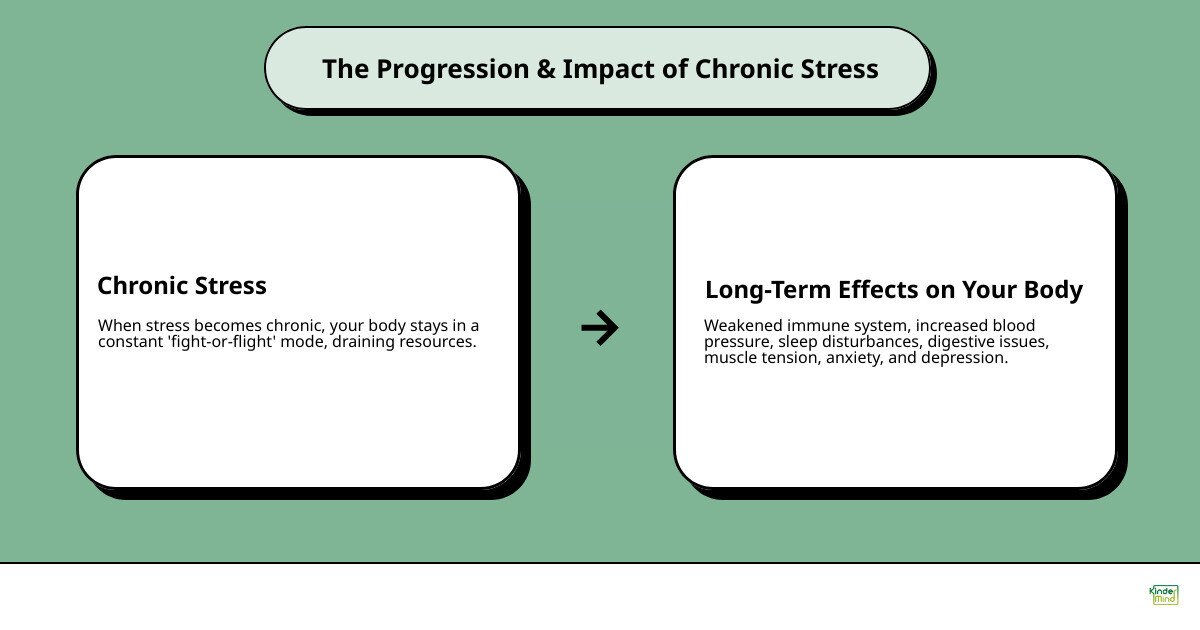
When stress becomes chronic, your body remains in a high-alert, fight-or-flight state. This isn't sustainable and can lead to a weakened immune system, high blood pressure, sleep issues, and digestive problems.
The good news is you don't have to manage this alone. A qualified stress management counselor provides professional, evidence-based support. They help you identify stress triggers, develop practical coping strategies, and build long-term resilience. Research shows that therapy is effective, with many people reporting significant improvements in their symptoms within a few months.
This guide will walk you through everything from recognizing the need for help to finding the right counselor and preparing for your first session.
Recognizing the Need for Help: Signs and Causes of Chronic Stress
Stress can sneak up on you, gradually shifting from manageable to overwhelming. Brushing off symptoms as "just being tired" is common, but chronic stress is a serious issue that shouldn't be ignored. Recognizing the warning signs and understanding the causes are the first steps toward getting help from a stress management counselor near me.

What are the Signs and Symptoms of Chronic Stress?
Your body sends clear signals when it's overloaded. Chronic stress manifests physically, emotionally, and behaviorally.
Physical symptoms often appear first. You might experience persistent headaches, muscle tension in your neck and shoulders, or fatigue that sleep doesn't resolve. Digestive issues, shallow breathing, and getting sick more often are also common as your immune system weakens.
Emotional and behavioral signs include a constant hum of anxiety or worry. You may feel more irritable, snapping at loved ones, or experience a general sense of sadness or depression. Many people notice changes in appetite or sleep problems, like lying awake with a racing mind. You might also find yourself withdrawing from social activities, struggling to concentrate, or turning to unhealthy coping mechanisms to numb out.
If these symptoms feel familiar, your body and mind are signaling that it's time for support. If work is a major factor, there's more info about career stress that could be helpful.
What are the Common Causes of Stress in Daily Life?
Stressors can be external or internal, and identifying them is key to managing them.
Work pressure is a leading cause, with 40% of U.S. workers experiencing office stress. Deadlines, heavy workloads, and difficult colleagues can create an environment where stress follows you home.
Financial obligations, such as debt or struggling to pay bills, are another major source of constant worry. Relationship issues, including conflict with a partner or family, can be emotionally draining. Even positive major life changes like getting married or moving can be significant stressors.
Internal factors also play a huge role. Negative self-talk, unrealistic expectations, and perfectionism create constant internal pressure. Worrying about the future or feeling a lack of control can be just as exhausting as any external demand.
A stress management counselor near me can help you develop strategies to cope with all these stressors, whether they come from your job, your relationships, or your own thought patterns. You don't have to carry this burden alone.
The Role of a Stress Management Counselor
A stress management counselor near me is a trained guide who helps you understand the root of your stress and develop healthier ways to respond. The goal isn't to eliminate stress entirely—an impossible task—but to build a new relationship with it, putting you back in control.

How Can a Counselor Help You Cope with Stress?
A counselor acts as a detective and coach, applying proven methods to help you move from overwhelmed to capable.
- Identify Root Causes: They help you look beyond surface-level symptoms to uncover the underlying drivers of your stress, whether they are external pressures or internal beliefs.
- Develop Personalized Strategies: You'll create a toolkit of coping mechanisms custom to your life, such as breathing techniques or boundary-setting skills.
- Provide a Non-Judgmental Space: Counseling offers a safe place to be completely honest about your fears and struggles without worrying about being judged.
- Improve Communication Skills: A counselor can teach you how to express your needs and resolve conflict effectively, reducing tension in your relationships.
- Build Resilience: Therapy focuses on strengthening your emotional immune system, helping you bounce back from future challenges.
The ultimate goal is to improve your overall well-being, not just reduce symptoms. For more on this topic, you can find More info about Stress.
What Types of Therapy are Used for Stress Management?
Therapists use various evidence-based methods, often blending approaches to fit your needs. At Kinder Mind, our professionals are trained in multiple modalities.
- Cognitive Behavioral Therapy (CBT): This practical approach helps you identify and change negative thought patterns and behaviors that fuel stress.
- Mindfulness-Based Stress Reduction (MBSR): MBSR uses meditation and breathing exercises to teach you how to stay present and observe your stress without being overwhelmed by it.
- Acceptance and Commitment Therapy (ACT): ACT helps you accept difficult feelings while committing to actions that align with your personal values.
- Solution-Focused Brief Therapy (SFBT): This goal-oriented therapy focuses on your strengths and what's already working to create rapid, practical solutions.
- Psychodynamic Therapy: This approach explores how past experiences and unconscious patterns influence your current stress responses.
- Somatic Experiencing: This body-focused therapy helps you release stored physical tension and calm your nervous system.
The right combination of these approaches can address your stress from every angle—mind, body, and behavior.
How to Find a Qualified Stress Management Counselor Near Me
Once you've decided to seek help, the next step is finding the right professional. Fortunately, there are more resources than ever to connect you with a qualified stress management counselor near me, whether you prefer local sessions or the flexibility of online therapy.

Steps to Find a Local or Online Counselor
Finding a counselor doesn't have to be another source of stress. Here's a straightforward approach:
- Start with an online search. Use terms like "stress management counselor near me" or "therapist for stress" plus your location to get a quick overview of local options.
- Explore professional directories. These sites allow you to filter therapists by location, insurance, and specialization, making it easy to find someone who fits your needs.
- Check with your insurance provider. Your insurance company can provide a list of in-network mental health professionals, which is often the most affordable route.
- Ask your primary care doctor for a referral. Physicians often have a network of trusted mental health professionals they can recommend.
- Consider online therapy. Virtual sessions offer flexibility and access to a wider pool of specialists. Kinder Mind provides both virtual and in-person therapy to fit your lifestyle. For more guidance, visit Find a Therapist Near Me.
- Use your Employee Assistance Program (EAP). Check with your HR department to see if your employer offers free or low-cost counseling sessions.
What to Look for When Choosing a Stress Management Counselor Near Me
Once you have a list of potential counselors, focus on finding the right fit. This is a personal decision that significantly impacts your progress.
- Credentials: Ensure they are a licensed professional. Look for titles like Licensed Professional Counselor (LPC), Licensed Clinical Social Worker (LCSW), or Licensed Marriage and Family Therapist (LMFT).
- Specialization: Look for a counselor who specializes in stress, anxiety, or burnout. Their profile should clearly state their expertise in these areas.
- Therapeutic Approach: Read about their methods (CBT, ACT, etc.) to see if their style resonates with you. A good therapist can explain their approach clearly.
- Client-Therapist Fit: The relationship you build is crucial. You need to feel safe, respected, and understood. Many counselors offer a free initial consultation—use this to ask questions and gauge your comfort level. It's okay to speak with a few therapists before deciding. For more tips, read 5 Tips for How to Know If a Therapist Is the Right Fit for You.
Understanding the Professionals: Therapist, Counselor, and Psychiatrist
Understanding the different titles can help you find the right type of support.
| Professional Type | Education & Licensing | Treatment Focus | Medication Management |
|---|---|---|---|
| Counselor | Master's degree (MA, MS, M.Ed.) in counseling; state license like LPC or LMHC | Talk therapy, coping skills, personal growth, life challenges like stress, grief, relationships | No |
| Therapist | Broad term including LPCs, LMFTs, LCSWs, Psychologists; Master's or Doctoral degree | Talk therapy using various approaches (CBT, ACT, psychodynamic) to address mental health conditions and emotional issues | No |
| Psychiatrist | Medical doctor (MD or DO) with specialized psychiatry training | Diagnosis of mental health conditions, medication management, sometimes talk therapy | Yes |
For most people dealing with stress, a licensed counselor or therapist is the ideal starting point. They are experts in talk therapy and can help you develop coping strategies. A psychiatrist is important when medication may be beneficial, often in cases of severe depression or anxiety. At Kinder Mind, we specialize in therapy and counseling and can provide referrals for medication management if needed, ensuring you receive comprehensive care.
Preparing for Your Journey to Stress Relief
Deciding to see a stress management counselor near me is a courageous act of self-care. A little preparation can ease any nerves and help you get the most out of your first session and understand the financial aspects of therapy.

How to Prepare for Your First Counseling Session
Your first session is primarily a get-to-know-you conversation. It's a chance for the counselor to understand what brought you in and for you to see if they're a good fit.
- Think about your goals. What do you hope to achieve? It could be better sleep, learning to set boundaries, or simply feeling more like yourself. Having a general idea helps focus the therapy.
- Jot down your concerns. It's easy to forget things when you're nervous. Make a quick list of your main stressors, symptoms, and any recent life events.
- Be open and honest. Counselors provide a judgment-free zone. Sharing openly allows them to help you more effectively. Your sessions are confidential, creating a safe space for vulnerability. As the APA notes, therapy helps people live healthier, more productive lives.
- Prepare questions. You're interviewing them, too. Ask about their experience with stress management, their therapeutic approach, and what to expect from the process.
What are the Costs of a Stress Management Counselor Near Me?
Understanding the cost of therapy helps you plan accordingly. Mental health is an investment, and there are many ways to make it affordable.
- Insurance Coverage: Most health insurance plans cover mental health services. Check if your counselor is in-network to pay a lower co-pay, or if they are out-of-network, in which case you may be able to get partial reimbursement.
- Superbills for Reimbursement: Many counselors provide a detailed receipt (a superbill) that you can submit to your insurance for out-of-network reimbursement.
- Sliding Scale Fees: Some therapists adjust their rates based on your income. Don't hesitate to ask if this is an option.
- HSA/FSA Cards: You can typically use Health Savings Account or Flexible Spending Account funds to pay for therapy, which offers a tax advantage.
At Kinder Mind, we are committed to accessibility. We accept many insurance plans and offer various payment options to reduce financial barriers to care. We can discuss these options during your initial consultation.
Frequently Asked Questions about Stress Management Counseling
It's normal to have questions before starting therapy. Here are answers to some common concerns people have when looking for a stress management counselor near me.
How long does stress management therapy usually last?
The duration of therapy is unique to each person. There's no one-size-fits-all timeline.
For specific, short-term stressors, you might find relief and gain valuable coping skills in just a few months. Some people report improvements after only a few sessions. If your stress is chronic or tied to deeper issues, therapy may last longer, perhaps six months to a year or more. The process is collaborative, and you and your counselor will regularly check in on your goals and progress to ensure the timeline fits your needs.
Is online therapy as effective as in-person for stress?
Yes. A large body of research confirms that online therapy is just as effective as in-person sessions for managing stress and anxiety. In fact, studies show that 70% of clients saw improvement in anxiety or depression symptoms within 3 months of starting online therapy, and 80% reported it was as effective or more effective than face-to-face therapy.
The convenience is a major benefit. 98% of users found online therapy more convenient, as it eliminates travel time and allows you to have sessions from a private, comfortable location. While many appreciate the flexibility of video, phone, or messaging, some people prefer the in-person experience. Kinder Mind offers both virtual and in-person options so you can choose what works best for you.
Will a therapist judge me for what I share?
Absolutely not. A professional therapist's role is to provide a safe, non-judgmental space. They are bound by strict ethical codes, like those from the American Psychological Association (APA), that mandate confidentiality and respect for your dignity.
Your conversations are confidential, with very few exceptions related to safety. This allows you to be open about your struggles without fear. A counselor's job is not to approve or disapprove but to listen with empathy, help you understand your patterns, and support you in making positive changes. Building trust takes time, and a good therapist will work at your pace.
Take the First Step Towards a Calmer You
If you've been carrying the weight of stress for too long, you don't have to continue doing it alone. Working with a stress management counselor near me can equip you with lifelong tools to identify triggers, set healthy boundaries, and build the resilience to face future challenges.
Taking care of your mental health is not selfish—it's essential. Empowerment comes from taking action. Acknowledging you need support is the first step toward taking control of your well-being and realizing that a calmer, more balanced life is within reach.
At Kinder Mind, our team of compassionate professionals is ready to guide you. We understand that reaching out takes courage, and we are committed to providing a welcoming and supportive experience, whether you choose in-person or virtual therapy.
You've already taken an important step by learning about your options. Now, take the next one. Ready to connect with someone who understands? Meet Our Therapists and find the support that's waiting for you.
