
Chronic Illness & Mental Health: Your Online Therapy Roadmap
Dr. Elizabeth Barlow, LCSW-S · 2/16/2026

You Are Seen, Your Pain is Real
Online therapy for chronic illness provides accessible mental health support for individuals managing long-term health conditions. It helps them cope with the emotional toll of chronic symptoms, steer grief and uncertainty, and rebuild confidence in a body that doesn’t always cooperate.
What You Need to Know:
- What it is: Professional therapy delivered virtually, specifically addressing the mental health challenges that come with chronic illness.
- Who it helps: People with conditions like fibromyalgia, autoimmune diseases, chronic pain, Long COVID, POTS, and other long-term health issues.
- Key benefits: Access care from home on bad days, find therapists who understand chronic illness, and schedule around unpredictable symptoms.
- Evidence: Research shows online CBT reduces depression, anxiety, and psychological distress in chronic illness patients, with improvements lasting beyond treatment.
- Getting started: Most people can connect with a therapist within a week through insurance-covered online platforms.
You’re tired of explaining invisible symptoms, canceling plans, and pretending to be fine. Living with a chronic illness means facing more than physical pain—it’s the self-doubt when doctors are stumped, the grief for the life you had, and the conflict between your body’s needs and life’s demands.
Your pain is real, and your struggle is valid. The emotional weight of chronic illness—anxiety, depression, and loss of control—deserves the same care as your physical symptoms. You don’t have to carry it alone or leave your house to get help.
Online therapy meets you where you are, providing a safe space with a professional who understands that “thinking positive” isn’t a solution. It’s about building a life that honors both your limitations and your dreams.
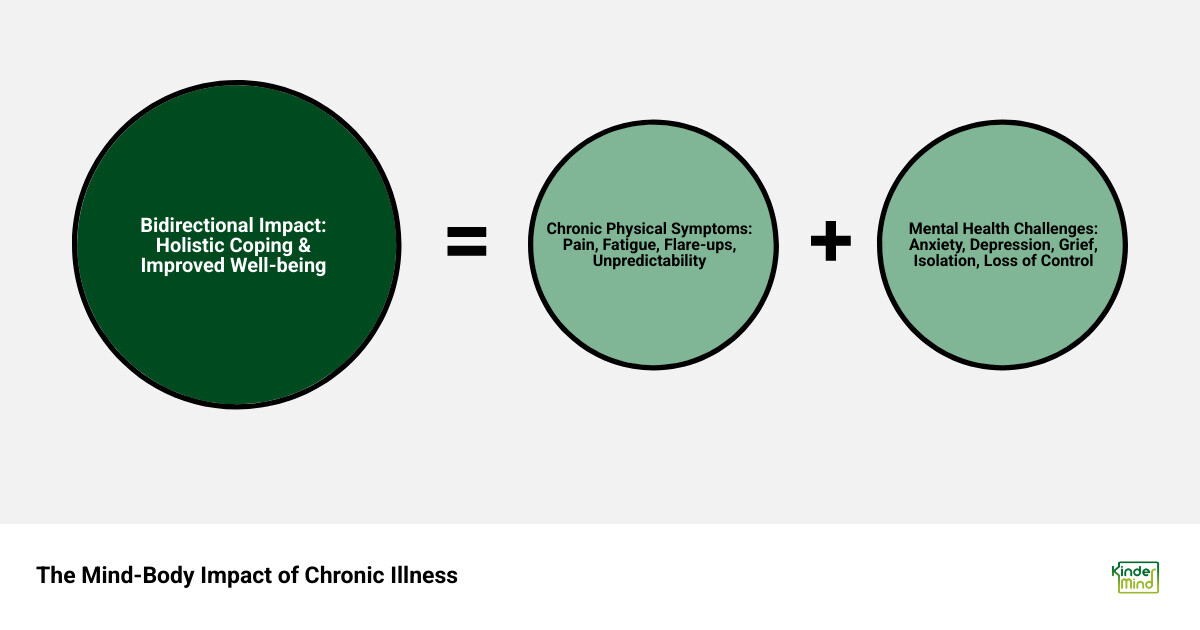
The Invisible Weight: Mental Health and Chronic Illness

Living with a chronic illness is a relentless journey with invisible struggles that extend beyond physical pain. The emotional and psychological impact can be profound, and many patients feel a lack of support from medical professionals, employers, and even family, leading to frustration and isolation.
Common Mental Health Challenges
Managing a long-term health condition often brings a range of intense emotions that are deeply intertwined with the illness itself.
- Depression: Persistent sadness, hopelessness, and loss of interest are frequently reported. Dealing with physical symptoms and limitations can lead to a profound sense of sadness, making it challenging to cope with daily life.
- Anxiety: The uncertainty of chronic illness, fear of flare-ups, and constant medical appointments can trigger or worsen anxiety, manifesting as excessive worry, panic attacks, or health anxiety.
- Grief and Loss: A diagnosis often initiates a grieving process for one’s old life. Individuals may grieve the loss of their former identity, abilities, relationships, and future plans.
- Anger and Frustration: It is natural to feel anger at the unfairness of the illness or frustration when symptoms are minimized by others.
- Isolation Loneliness: Chronic illness can cause social withdrawal due to fatigue or unpredictable symptoms, resulting in profound loneliness and strained relationships.
- Loss of Control: The unpredictable nature of chronic illness, with its flare-ups and treatment trials, can leave individuals feeling helpless and without control over their bodies and lives.
The Mind-Body Connection
The mind-body connection is undeniable in chronic illness. Research shows a close link between physical and emotional well-being, where stress can worsen physical symptoms, and managing mental health can improve them. This reciprocal relationship means that addressing the psychological effects of chronic illness through therapy can significantly improve overall quality of life. Research confirms a bidirectional link: “Decreased psychiatric symptoms at post-intervention prospectively predicted decreased physical distress at follow-ups,” and vice versa. This highlights how treating one aspect can positively influence the other, making comprehensive mental health support crucial. Understanding this link is vital, as explored further in Anxiety and Your Body: The Connection.
Signs You Might Benefit from Therapy
If you are experiencing any of the following, seeking support from online therapy for chronic illness could be a beneficial step:
- Persistent sadness or hopelessness
- Overwhelming anxiety or worry about your health
- Difficulty coping with daily tasks, even on “good” days
- Social withdrawal and frequently canceling plans
- Strained relationships with loved ones
- Feeling like a burden to others
- Noticing a clear link between stress and physical symptoms
- Feeling emotionally drained or a loss of identity
Therapy and Collaborative Care for Chronic Illness Management
Understanding the different roles in mental health care is key to effective management. Both therapy and psychiatry play important parts, and a collaborative approach often yields the best outcomes. For a broader understanding of mental health terms, consider reading Mental Health vs. Mental Illness.
| Role | Focus |
|---|---|
| Therapist (e.g., LCSW, LMFT, LPC) | Focuses on emotional and behavioral health via talk therapy. They help you develop coping strategies, process emotions, and improve relationships. They do not prescribe medication but collaborate with prescribers. |
| Prescriber (e.g., Psychiatrist, PMHNP, Primary Care Physician) | A medical professional who can diagnose mental health conditions and prescribe medication. They manage the biological aspects of mental health and often work with therapists. |
| Collaborative Care | An integrated approach where your therapist, prescriber, and other doctors work together. This aligns your mental and physical health care for holistic treatment. |
The Unique Advantages of Online Therapy for Chronic Illness
Accessing mental health support can be challenging, but for individuals managing a chronic illness, these problems can feel impossible. This is where online therapy for chronic illness shines, offering unique advantages that make care not just possible, but often preferable.
- Accessibility from Home: Attend sessions from the comfort of your home, eliminating exhausting travel on days with severe symptoms or limited mobility. It provides invaluable access to care for those who find it difficult to leave home.
- Overcoming Mobility Issues: For those with physical limitations or chronic pain, online platforms remove the barriers of transportation and navigating physical office spaces.
- Flexibility for Fluctuating Energy Levels: Online counseling offers flexible scheduling to accommodate unpredictable symptoms and fluctuating energy. You can schedule sessions for when you feel best or easily reschedule during a flare-up.
- Accommodating Unpredictable Symptoms: Receive care from your bed or a comfortable chair during a flare-up, ensuring continuity of care without having to choose between your health and your appointment.
- Comfort and Privacy: A familiar environment can help you feel safer and more open to discussing sensitive topics. The added privacy is also a significant benefit.
- Reduced Travel Stress: The mental and physical toll of traveling to appointments—dealing with traffic, parking, and waiting rooms—is eliminated, preserving your energy for healing.
- Wider Access to Specialists: Online therapy for chronic illness expands your options beyond local providers. You can connect with therapists who specialize in health psychology and chronic conditions across the states where Kinder Mind operates, increasing the chance of finding an ideal match.
For more information on the general benefits and processes of virtual care, explore Virtual Therapy.
Effective Therapeutic Approaches Delivered Online
The effectiveness of online therapy for chronic illness is rooted in evidence-based approaches adapted for the virtual format. These modalities help individuals develop coping strategies and improve their quality of life.
- Cognitive Behavioral Therapy (CBT): CBT helps you identify and change negative thought patterns related to pain, anxiety, and depression. Delivered online through video and digital tools, it’s effective for reframing thoughts about pain and developing coping skills.
- Acceptance and Commitment Therapy (ACT): ACT fosters psychological flexibility, helping you accept difficult feelings and commit to your values despite your condition. Online sessions use mindfulness and value-clarification exercises to help you live a more meaningful life.
- Self-Compassion: This involves treating yourself with kindness and understanding, especially when suffering. For those with chronic illness who may feel self-blame, cultivating self-compassion through guided exercises is a vital tool for emotional healing.
- Mindfulness Based Therapy (MBSR): MBSR uses mindfulness meditation and gentle yoga to manage stress and anxiety. Online programs use guided audio and video to teach you to be present and observe pain without judgment.
- Somatic Therapy: This therapy addresses how stress manifests physically. It can help you become more aware of bodily sensations, release tension, and regulate your nervous system to reduce pain and fatigue. Online sessions may include guided movements and breathing exercises.
Does it Really Work? The Evidence for Online Support
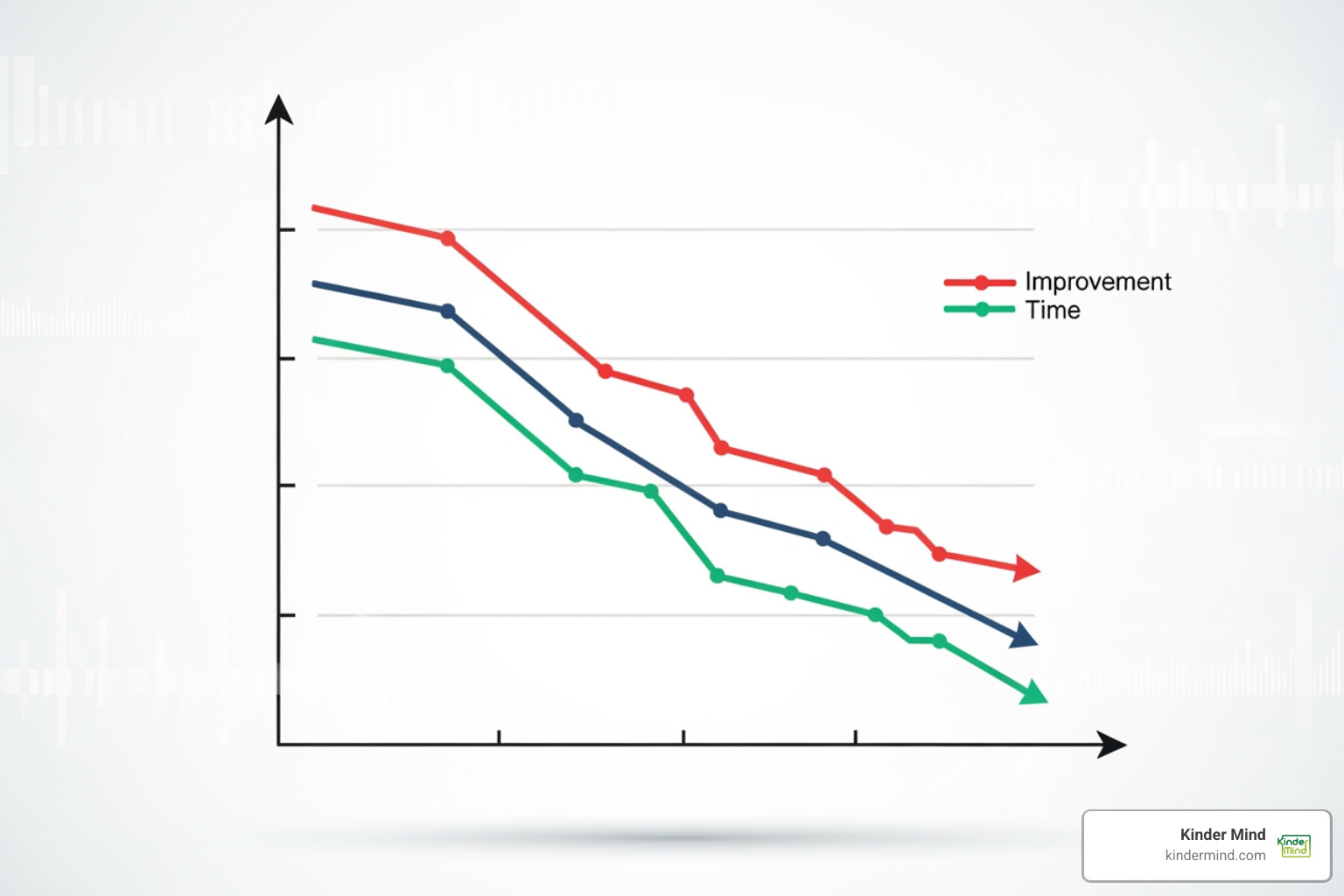
The efficacy of online therapy for chronic illness is well-supported by scientific research. A major review of internet-delivered cognitive behavioral therapy (IM-CBT) for chronic illness provides compelling evidence:
- Significant Mental Health Improvements: IM-CBT consistently decreases symptoms of depression, anxiety, and general psychological distress, with benefits that last over time.
- Impact on Physical Symptoms: The research also found IM-CBT effective in reducing physical symptoms and functional impairment, showing that mental health care can positively affect physical health.
- Bidirectional Healing: The study highlighted a two-way relationship: improving mental health predicted less physical distress later, and vice versa. This underscores the holistic benefits of online mental health support.
- Efficiency and Applicability: The positive effects were often seen in fewer than 12 sessions and were effective regardless of gender or other health conditions, making it a broadly useful intervention.
For a deeper dive into the scientific backing, you can review the scientific research on internet-based CBT for chronic diseases. These findings reinforce the value of online therapy for chronic illness, including specialized support for conditions like Therapy for Chronic Pain.
Your Roadmap to Getting Started with Online Therapy
Taking the first step toward online therapy for chronic illness can feel daunting, but the process is designed to be accessible and straightforward. Here’s a practical roadmap to help you get started:
Practical Steps
- Self-Assessment: Reflect on your needs and what you hope to gain from therapy. Are you looking to manage anxiety, cope with grief, or develop better communication skills? Having clear goals will help you find the right therapist.
- Researching Platforms and Therapists: Look for platforms that specialize in chronic illness or offer therapists with expertise in health psychology. Kinder Mind offers a team of qualified professionals, which you can explore on Our Therapy Providers page.
- Verifying Credentials: Ensure that any potential therapist is licensed and in good standing in your state. Kinder Mind currently serves clients across the United States, including Alabama, Alaska, Arizona, Arkansas, California, Colorado, Connecticut, Delaware, Florida, Georgia, Hawaii, Idaho, Illinois, Indiana, Iowa, Kansas, Kentucky, Louisiana, Maine, Maryland, Massachusetts, Michigan, Minnesota, Mississippi, Missouri, Montana, Nebraska, Nevada, New Hampshire, New Jersey, New Mexico, New York, North Carolina, North Dakota, Ohio, Oklahoma, Oregon, Pennsylvania, Rhode Island, South Carolina, South Dakota, Tennessee, Texas, Utah, Vermont, Virginia, Washington, West Virginia, Wisconsin, and Wyoming.
- Preparing for Your First Session: Think about what you want to discuss. It’s okay if you don’t have all the answers; your therapist will guide you. Therapy is a safe space to explore your feelings without judgment.
- Setting Goals: Work with your therapist to establish clear, achievable goals, such as improving mood, reducing pain, or increasing energy.
How to Choose the Right Online Therapy for Chronic Illness
Selecting the right online therapist is a personal journey. Here are crucial considerations:
- Specialization in Chronic Illness: Find a therapist who understands the intersection of physical and mental health. Look for experience with chronic conditions to ensure they validate your experience and don’t minimize your concerns. A therapist who sees you beyond your illness is key.
- Experience with Health Psychology: Therapists with a background in health psychology