
Choosing the Right Path: Therapy Options for Anxiety
Dr. Elizabeth Barlow, LCSW-S · 1/30/2026

Understanding Anxiety and Why Treatment Matters
Therapy for anxiety is a proven, effective treatment that helps you identify the thoughts and behaviors that fuel your worry, and replace them with healthier patterns. If you’re searching for help, here’s what you need to know:
Quick Guide to Therapy for Anxiety:
- Most Effective Treatment: Cognitive Behavioral Therapy (CBT) – helps 50-60% of people who complete it
- How It Works: Identifies negative thought patterns and teaches coping skills
- Timeline: Many people see improvement within 8-10 sessions or 12-16 weeks
- Options: In-person therapy, online therapy, or a combination approach
- Who Can Help: Psychologists, psychiatrists, licensed therapists (LCSW, LMFT, LPC)
Feeling anxious before a big presentation or first date is normal. But when worry becomes constant, overwhelming, and interferes with your daily life, it may be an anxiety disorder.
You’re not alone. Anxiety disorders affect up to 12% of Canadians and are among the most common mental health conditions in the United States. Specific phobias impact up to 12% of the U.S. population, while social anxiety affects about 7%, and generalized anxiety disorder affects roughly 3%.
The good news? Anxiety is highly treatable. Research shows that most people who receive therapy for anxiety decrease or overcome their symptoms within a few months. According to the American Psychological Association, many people improve significantly within just 8 to 10 therapy sessions.
Understanding how anxiety works is the first step toward recovery. Anxiety creates a cycle where your thoughts trigger physical sensations, which lead to feelings that drive behaviors – often avoidance – which then reinforce the anxious thoughts.
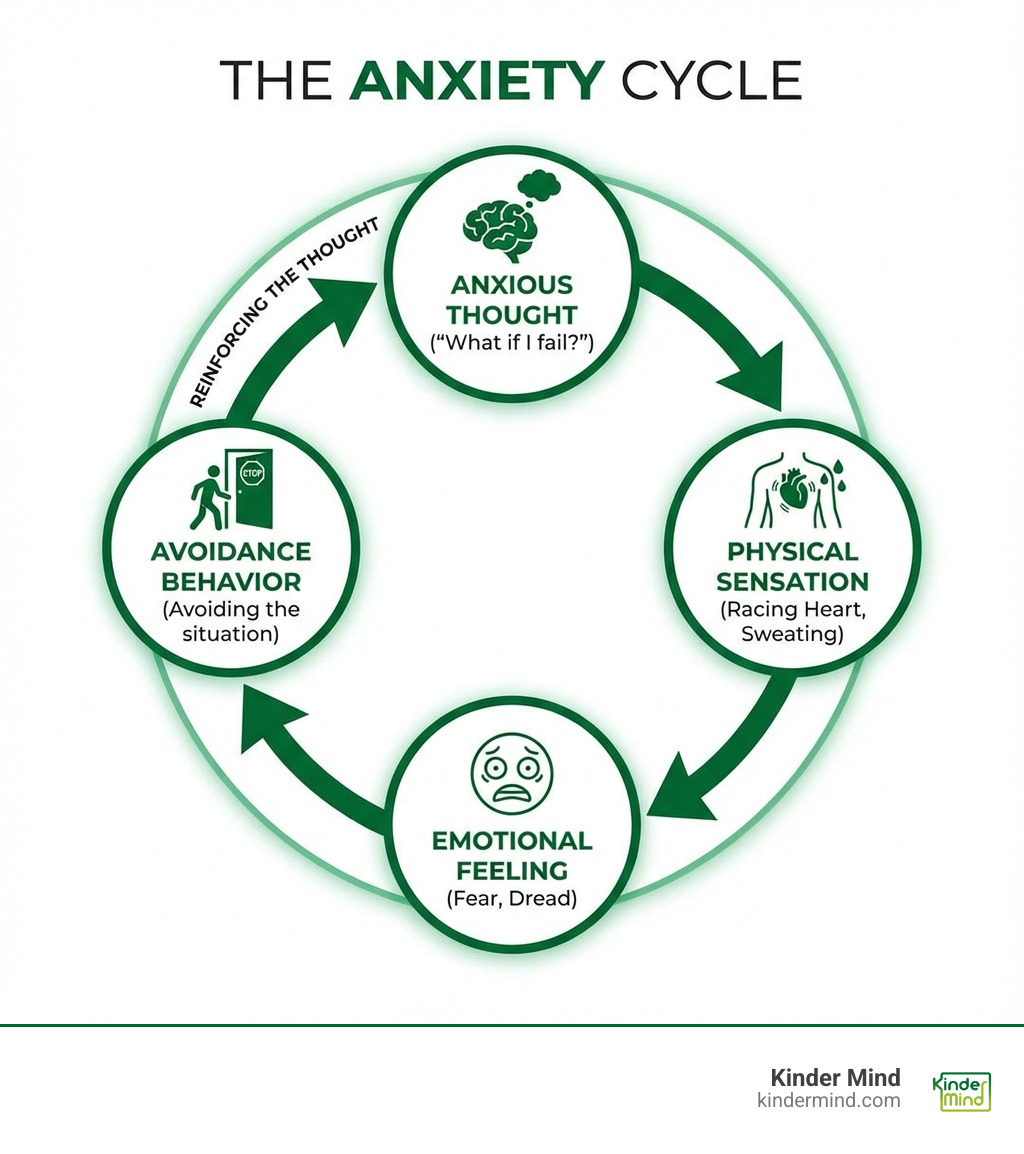
This guide will walk you through the different types of anxiety disorders, explain proven treatment options, and help you understand what to expect when you start therapy. Whether you’re dealing with constant worry, panic attacks, or specific fears, there are effective treatments available that can help you regain control and find relief.
What is an Anxiety Disorder? Signs, Types, and Diagnosis
Anxiety is a fundamental human emotion, a natural response to stress or danger. It’s that flutter in your stomach before a big exam or the surge of adrenaline when you narrowly avoid an accident. This “normal” anxiety can even be beneficial, sharpening your focus and preparing you for challenges.
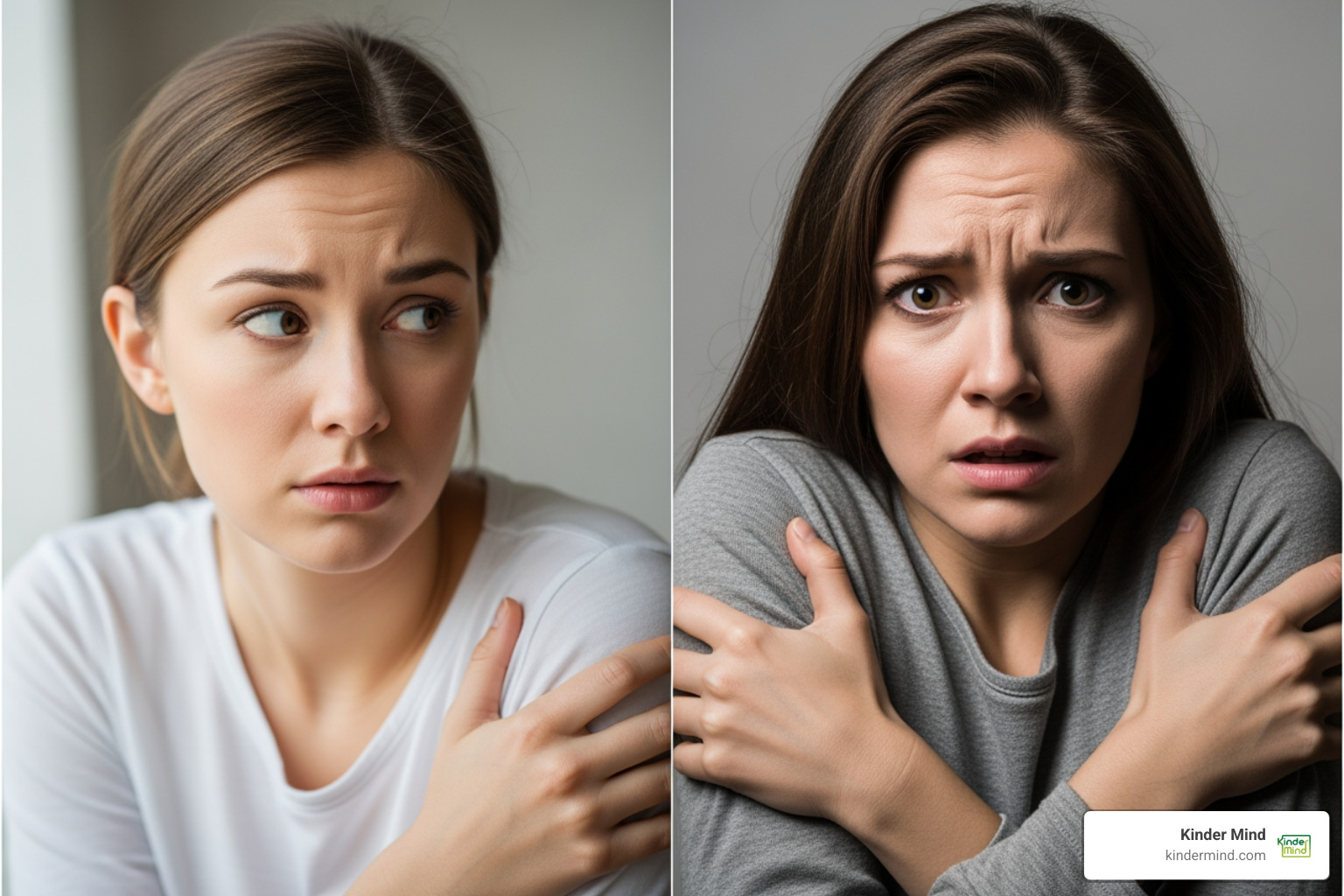
However, when this natural response becomes persistent, excessive, and disproportionate to the actual situation, it can escalate into an anxiety disorder. Unlike fleeting worry, an anxiety disorder interferes significantly with daily functioning, causing distress and impairing one’s ability to steer life. The reactions are often out of proportion to the situation, and the individual finds themselves unable to control their responses.
Types of Anxiety Disorders
Anxiety disorders are not a single condition; they encompass several categories, each with distinct symptoms and patterns. The most recent version of the Diagnostic and Statistical Manual of Mental Disorders (DSM-5) classifies these conditions. Understanding the specific type of anxiety disorder can help tailor the most effective therapy for anxiety.
Here are some of the most common types:
- Generalized Anxiety Disorder (GAD): This involves severe feelings of worry and dread that persist for at least six months, often about everyday issues like work, health, or finances. It affects about 3% of the U.S. population.
- Panic Disorder: Characterized by recurrent, unexpected panic attacks, which are sudden episodes of intense fear that trigger severe physical reactions even when there is no real danger or obvious cause.
- Social Anxiety Disorder (SAD): Also known as social phobia, this involves an intense, persistent fear of being watched and judged by others. It affects about 7% of the U.S. population.
- Specific Phobias: These are marked by an overwhelming, irrational fear of a particular object or situation, such as flying, heights, animals, or receiving injections. Specific phobias are quite common, affecting up to 12% of the U.S. population.
- Agoraphobia: Defined by a persistent fear and avoidance of situations that might be difficult or socially awkward to leave, or where help might not be available if panic symptoms occur. Common examples include crowded spaces, public transportation, or enclosed areas. Agoraphobia affects up to 1.7% of the U.S. population.
- Separation Anxiety Disorder: While often associated with children (affecting about 4% of children), this disorder can also affect adolescents (1.6%) and adults (up to 1.9%). It involves excessive fear or anxiety concerning separation from home or from attachment figures.
- Selective Mutism: This is a rare disorder where a person consistently fails to speak in specific social situations where there is an expectation for speaking (e.g., at school) despite speaking in other situations. It affects between 0.47% and 0.76% of the U.S. population.
Common Signs and Symptoms
Recognizing the signs and symptoms of anxiety disorders is crucial for seeking timely help. These can manifest emotionally, physically, and behaviorally:
-
Emotional Symptoms:
- Excessive, persistent worry or fear about various events or activities.
- Restlessness or feeling on edge.
- Difficulty concentrating, feeling like your mind is racing or going blank.
- Irritability or a short temper.
- A sense of impending doom, panic, or danger.
- Feeling overwhelmed or out of control.
-
Physical Symptoms:
- Fatigue or feeling easily tired.
- Muscle tension, headaches, or body aches.
- Sleep disturbances, such as difficulty falling or staying asleep, or restless, unsatisfying sleep.
- Increased heart rate, palpitations, or a pounding heart.
- Shortness of breath or difficulty breathing.
- Sweating, trembling, or shaking.
- Nausea, stomach upset, or diarrhea.
-
Behavioral Symptoms:
- Avoidance of situations or activities that trigger anxiety.
- Changes in appetite.
- Difficulty engaging in social situations.
- Compulsive behaviors (in conditions like OCD, which shares features with anxiety disorders but is classified distinctly).
Diagnosis Process
The journey to diagnosing an anxiety disorder typically begins with a visit to a primary care provider. They can assess if your anxiety symptoms might be related to your physical health, ruling out underlying medical conditions that may mimic anxiety.
If physical causes are excluded, or if anxiety is severe, your primary care provider may refer you to a mental health specialist. This could be a psychiatrist, who is a medical doctor specializing in mental health and can prescribe medication, or a psychologist or other licensed mental health professional (like an LCSW, LMFT, or LPC) who can diagnose and provide psychotherapy.
Diagnosis involves a thorough discussion of your symptoms, personal history, and behaviors. Mental health professionals use criteria outlined in the Diagnostic and Statistical Manual of Mental Disorders (DSM-5) to accurately identify the specific anxiety disorder and develop an appropriate treatment plan.
Proven Treatments: A Deep Dive into Therapy for Anxiety
The good news is that anxiety disorders are highly treatable, and a range of effective strategies can help individuals manage their symptoms and regain control over their lives. Both pharmacotherapy (medication) and psychotherapy (talk therapy) are recognized as effective treatments. Often, a combination approach is most beneficial, particularly for individuals with severe anxiety disorders. However, psychotherapy is frequently considered the most effective form of anxiety treatment in the long term, often producing better outcomes than medication alone and leading to more sustained symptom reduction.

Cognitive Behavioral Therapy (CBT): The Gold Standard in therapy for anxiety
When it comes to therapy for anxiety, Cognitive Behavioral Therapy (CBT) stands out as a leading, evidence-based approach. It is one of the most thoroughly studied forms of psychotherapy and consistently shows the strongest evidence of effectiveness across various anxiety disorders. Research suggests that about 50-60% of people who complete CBT counseling experience improvements in their anxiety symptoms.
What is CBT?
CBT is a structured, goal-oriented, and time-limited intervention that integrates both behavioral and cognitive principles. It operates on the premise that our thoughts, feelings, and behaviors are interconnected. Anxiety often stems from dysfunctional thinking patterns and maladaptive behaviors that maintain the cycle of worry. CBT works by helping individuals identify and analyze these patterns, then modify them to replace anxious thoughts and behaviors with more positive and productive alternatives.
Identifying Negative Thoughts and Challenging Cognitive Distortions
A core component of CBT involves identifying negative thought patterns and cognitive distortions—irrational or biased ways of thinking that contribute to anxiety. For example, someone with social anxiety might catastrophize about an upcoming event, predicting embarrassment or rejection. CBT teaches individuals to recognize these “thinking traps.”
Once identified, the next step is “thought challenging” or cognitive restructuring. This involves questioning the validity of these negative thoughts, examining the evidence for and against them, and replacing them with more realistic and balanced interpretations. It’s about learning to challenge assumptions and reframe situations, understanding that it’s often our perception, not the event itself, that determines our feelings.
Behavioral Experiments
CBT also incorporates behavioral interventions. Behavioral experiments are designed to test maladaptive beliefs empirically. For instance, if someone believes they will faint in a crowded store, a therapist might guide them through a controlled visit to a less crowded store, gradually increasing exposure while monitoring their physical and emotional responses. This allows them to gather evidence that contradicts their anxious predictions.
Skill Development
Beyond challenging thoughts, CBT focuses heavily on developing practical coping skills. This includes learning relaxation techniques, problem-solving skills, and strategies to manage worries directly. By equipping individuals with these tools, CBT empowers them to anticipate and understand anxiety triggers, and to respond in healthier ways.
Exposure Therapy
Exposure therapy is a powerful and highly effective form of therapy for anxiety, particularly for specific phobias, social anxiety disorder, panic disorder, and even generalized anxiety disorder. While technically a component of CBT, it often places a heavier emphasis on confronting anxiety-provoking situations directly.
What is Exposure Therapy?
The core principle of exposure therapy is to gradually expose individuals to the situations, objects, or thoughts they fear, in a safe and controlled environment. The goal is to help them habituate to the feared stimulus, reduce their avoidance behaviors, and learn that their anxiety will naturally decrease over time without engaging in safety behaviors. Research suggests that avoiding anxiety triggers can often reinforce worries, increasing their severity. Exposure therapy aims to break this pattern.
Facing Fears Gradually
Exposure therapy works by systematically guiding the client toward facing their fears. This process is carefully managed to ensure it is challenging but manageable, building confidence with each step. The therapist and client work together to create a hierarchy of feared situations, starting with those that provoke minimal anxiety and progressively moving towards more challenging ones.
Techniques in Exposure Therapy:
-
Systematic Desensitization: This is a step-by-step approach where individuals learn relaxation skills and then gradually confront feared situations, either in imagination or in real life, while maintaining a relaxed state. For example, someone with a fear of flying might start by looking at pictures of planes, then watching videos, visiting an airport, and eventually taking a short flight.
-
In-vivo Exposure: This involves direct, real-life confrontation with feared objects or situations. For someone with social anxiety, this might mean practicing ordering food in a restaurant or engaging in a short conversation with a stranger.
-
Imaginal Exposure: In this technique, individuals vividly imagine themselves in feared situations. This is often used when real-life exposure is impractical or too overwhelming initially, such as recounting traumatic memories in PTSD treatment or imagining catastrophic outcomes in GAD.
-
Virtual Reality (VR) Exposure: This novel delivery method uses VR technology to create immersive, simulated environments where individuals can safely practice confronting their fears. VR can provide improved sensory detail and offer more frequent exposure opportunities, which is particularly useful for phobias like fear of flying or public speaking.
By repeatedly confronting fears without avoidance, individuals learn that the feared outcome often doesn’t materialize, or that they can cope with it. This process diminishes anxiety, increases a sense of control, and helps individuals let go of their worries.
Beyond the Session: Lifestyle Changes and Complementary Therapies
While structured therapy for anxiety forms the cornerstone of treatment, adopting a holistic approach that includes lifestyle adjustments and complementary therapies can significantly improve recovery and overall well-being. These strategies empower individuals to manage symptoms daily and build resilience.
Lifestyle Adjustments for Anxiety Management
Making certain kinds of changes in your daily routine can decrease anxiety and improve mental health. These adjustments complement professional therapy and contribute to long-term symptom reduction:
-
Regular Exercise: Physical activity is a powerful antidote to anxiety. Research shows that as little as 30 minutes of exercise three to five times a week can provide significant anxiety relief. Exercise releases endorphins, reduces stress hormones, and can improve sleep. Incorporating regular physical activity, like a brisk walk or a swim, into your routine can make a noticeable difference.
-
Balanced Diet: While no food “gets rid of” anxiety, a nutritious diet plays a crucial role in mental health. Focus on whole grains, fruits, vegetables, and lean proteins. Nutrients found in foods like avocados (magnesium) and salmon (omega-3s) may help manage symptoms. Conversely, avoiding highly processed foods, high-fat dairy, and refined sugars can be beneficial. Always consult with a doctor or nutritionist before significantly altering your diet.
-
Sleep Hygiene: Prioritizing a restful sleep schedule is vital. Sleep disturbances are common with anxiety, but consistent, quality sleep can significantly improve mood and reduce anxiety levels. Aim for 7-9 hours of sleep per night, maintain a regular sleep schedule, and create a relaxing bedtime routine.
-
Limiting Caffeine and Alcohol: Both caffeine and alcohol can exacerbate anxiety symptoms. Caffeine is a stimul