
Teletherapy 101: A Comprehensive Guide to Virtual Counseling
Kinder Mind · 7/16/2024

Explaining Teletherapy: An Easy Guide to Virtual Counseling
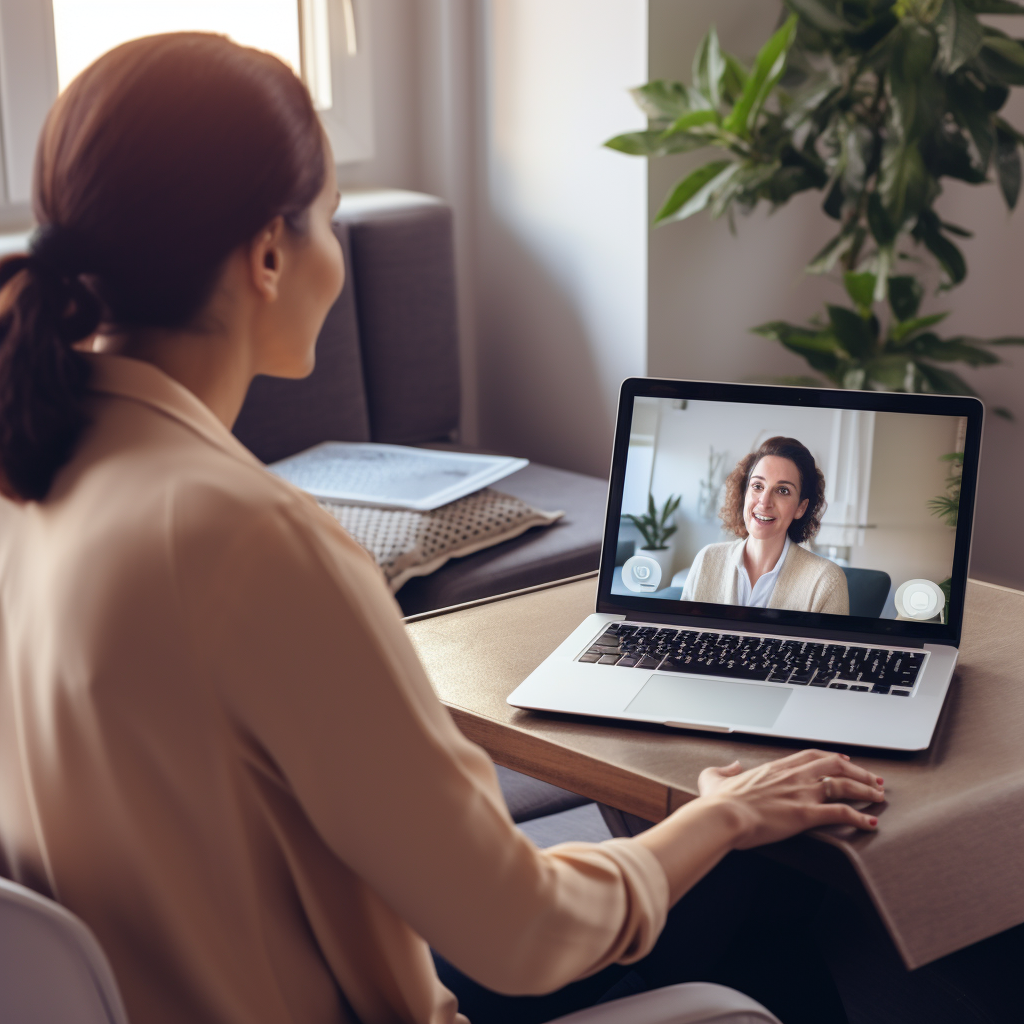
Teletherapy, also known as online therapy, e-therapy, e-counseling, or cyber-counseling, is mental health support offered virtually. It’s a convenient and flexible way to access therapy services, making it easier for busy professionals, those with mobility issues, and individuals in rural areas to get the help they need.
Quick facts about teletherapy:
-
Definition: Therapy conducted via the internet using video conferencing, online chat, messaging, or phone calls.
-
Benefits: Offers convenience, accessibility, and flexibility. It can also be more cost-effective and reduce the stigma associated with visiting a therapist’s office.
-
Accessibility: Available to anyone with an internet connection, breaking down geographical barriers and making mental health support more widespread.
Teletherapy provides numerous advantages, including the convenience of accessing mental health services from the comfort of your home. It allows for flexible scheduling, can be more affordable, and offers privacy, as there’s no need to visit a physical office. This method of counseling has become especially valuable in providing support for those with anxiety, work-life balance issues, and other mental health struggles.
My name is Dr. Elizabeth Barlow, Licensed Clinical Social Worker and founder of Kinder Mind. With extensive expertise in teletherapy, I am committed to making mental health care accessible and effective for everyone.
What is Teletherapy?
Teletherapy is a form of mental health counseling conducted over the phone or online. It’s also known as online therapy, e-therapy, e-counseling, or cyber-counseling. This virtual approach allows therapists and clients to connect from anywhere, using technology.
Meaning and Varieties
Teletherapy encompasses several methods of communication:
-
Video Conferencing: The most common form, where sessions are conducted via platforms like Zoom or Skype.
-
Phone Calls: Ideal for those who prefer not to use video or have limited internet access.
-
Online Chat and Messaging: Allows for real-time text-based conversations.
-
Email: For those who prefer to write out their thoughts.
-
Apps: Platforms like Talkspace and Betterhelp offer therapy within their apps.
Mental Health Services Online
Teletherapy covers a broad range of mental health services:
-
Individual Therapy: One-on-one sessions with a licensed therapist.
-
Family Therapy: Sessions involving family members to address collective issues.
-
Group Therapy: Facilitated discussions among multiple clients with similar issues.
-
Telepsychiatry: Involves psychiatrists who can prescribe medication.
Support Over the Internet
Online therapy provides support for various mental health issues, such as:
-
Depression and Anxiety: Research shows teletherapy is as effective as in-person therapy for treating these conditions.
-
Chronic Stress and Burnout: Convenient access to therapy can help manage stress.
-
Relationship Problems: Couples can benefit from remote counseling sessions.
-
Grief and Trauma: Virtual support can be crucial during difficult times.
Benefits of Teletherapy
Teletherapy offers numerous advantages:
-
Accessibility: Ideal for those in rural areas or with mobility issues.
-
Convenience: No need to commute, making it easier to fit into busy schedules.
-
Cost-Effective: Often cheaper than traditional therapy, with no travel expenses.
-
Privacy: Sessions can be conducted from the comfort of your home.

Ensuring Confidentiality
To maintain confidentiality, teletherapy platforms use secure, encrypted channels. Clients should also:
-
Log in from a private network.
-
Keep their devices locked.
-
Use encrypted platforms.
Legal and Ethical Considerations
Therapists must be licensed in the state where the client resides. This ensures they meet the legal and ethical standards required to practice.
By leveraging technology, teletherapy breaks down barriers to mental health care, making it accessible to more people.
Next, we’ll explore the process of teletherapy, including how to prepare for your first session.
How Teletherapy Works
Teletherapy is a convenient way to receive mental health support from the comfort of your home. Here’s how it works:
The Process
-
Choose a Platform: First, you’ll select a teletherapy provider. This could be through an app, a website, or a specific teletherapy service.
-
Schedule a Session: Use the platform to book an appointment with a licensed therapist. Many platforms offer flexible scheduling options.
-
Prepare Your Space: Find a quiet, private spot with a reliable internet connection. This ensures you won’t be interrupted.
-
Start the Session: Log in at your scheduled time. Your therapist will connect with you through video conferencing, online chat, messaging, or internet phone.
Video Conferencing
Most teletherapy sessions happen via video calls. This mimics face-to-face interaction, making it easier to build a rapport with your therapist. It’s similar to using Zoom or Skype but on a secure, encrypted platform designed for healthcare.
Online Chat and Messaging
Some platforms offer the option to chat or message your therapist in real-time. This can be useful if you prefer writing over speaking. Messaging allows for ongoing support between scheduled sessions.
Internet Phone
For those who are uncomfortable with video or chat, phone sessions are an option. You and your therapist will talk over a secure, internet-based phone line.
Secure Platforms
Security is crucial in teletherapy. Therapists use encrypted platforms to ensure your privacy. These platforms comply with legal standards like HIPAA, meaning your sessions are confidential and secure.
Confidentiality and Privacy
Maintaining confidentiality is a top priority. Here are some tips to safeguard your privacy:
-
Log in from a private network.
-
Keep your devices locked.
-
Use encrypted platforms.
Your therapist will also ensure their environment is private and secure. They’ll remind you to do the same, so your conversations remain confidential.
Teletherapy makes mental health support accessible and convenient. Next, we’ll explore the benefits of teletherapy, including how it can fit into your busy life.
Benefits of Teletherapy
Teletherapy has become a popular choice for many seeking mental health support. Let’s look at why it’s such a game-changer.
Convenience
Teletherapy fits seamlessly into your schedule. You can have sessions during lunch breaks, after work, or even while your baby naps. No need to commute or sit in waiting rooms. Just log in from your device, and you’re ready to go.
Accessibility
For those in remote areas or with limited access to mental health services, teletherapy is a lifeline. It brings professional help to your doorstep, no matter where you live.
“Teletherapy can be more convenient and accessible to people with mobility and transportation challenges,” says Dr. Chloe Greenbaum, a psychologist at New York University.
Reduced Stigma
Seeing a therapist can sometimes feel intimidating. Teletherapy offers privacy, so you don’t have to worry about bumping into someone you know at the clinic. This can make it easier to seek help.
Cost-Effective
Teletherapy can often be more affordable than traditional face-to-face sessions. Platforms like Kinder Mind work with major insurance companies, helping you use your benefits effectively.
Flexibility
Life is unpredictable. Teletherapy offers flexibility to reschedule or adjust appointments as needed. This makes it easier to stick to your therapy plan without disrupting your life.
Privacy
Teletherapy sessions occur in the comfort of your own home. This can create a safe space where you feel more comfortable opening up. Plus, no more worrying about overhearing conversations in a waiting room.
Rural Areas
People living in rural areas often have limited access to mental health services. Teletherapy bridges this gap, making it possible for anyone to get the help they need.
Mobility Challenges
For those with mobility issues, traveling to appointments can be a significant barrier. Teletherapy eliminates this obstacle, allowing you to receive care without leaving your home.
The Athol Memorial Hospital telemental health program in rural Massachusetts highlights how teletherapy can serve areas with limited in-person resources.
Teletherapy offers numerous benefits that make mental health support more accessible and convenient. Next, we’ll dive into the different types of teletherapy available, from individual sessions to specialized services.
Types of Teletherapy
Teletherapy offers a variety of options to meet different needs. Here are some of the main types:
Individual Therapy
Individual therapy is the most common form of teletherapy. It involves one-on-one sessions between you and a therapist. This type of therapy is effective for addressing personal issues like anxiety, depression, and stress. According to research, teletherapy can be just as effective as in-person sessions.
Benefits:
-
Privacy: You can talk openly without worrying about being overheard.
-
Convenience: No need to travel, saving time and effort.
-
Accessibility: Ideal for those who can’t leave home due to mobility issues or other constraints.
Family Therapy
Family therapy involves multiple family members and a therapist. It aims to improve communication and resolve conflicts within the family. Teletherapy makes it easier for all family members to join the session from different locations.
Benefits:
-
Flexibility: Easier to schedule sessions that fit everyone’s timetable.
-
Inclusivity: Allows participation from family members who live far away.
Telepsychiatry
Telepsychiatry involves sessions with a psychiatrist who can prescribe and manage medications. This type of teletherapy is crucial for those needing medical treatment for mental health conditions.
Benefits:
-
Medication Management: Convenient for regular check-ins and medication adjustments.
-
Accessibility: Useful in areas with a shortage of psychiatrists.
Text Therapy
Text therapy allows you to communicate with a therapist via text messages. This method offers a more flexible and less intimidating way to seek help.
Benefits:
-
Anonymity: You can remain relatively anonymous.
-
24/7 Availability: Some services offer round-the-clock support.
Limitations:
-
Not for Crisis Situations: Text therapy is not suitable for emergencies.
-
Insurance Coverage: Many insurance plans do not cover text therapy.
Chatbots
Chatbots are AI-driven tools that provide real-time support and advice. They can be useful for immediate, short-term help but are not a replacement for a human therapist.
Benefits:
-
24/7 Support: Available anytime you need quick advice.
<
