From Self-Help to Supported: Your Guide to Online CBT for Anxiety
Kinder Mind · 12/31/2025

Understanding Online CBT for Anxiety
Online CBT for anxiety is a proven, accessible way to manage anxiety symptoms from the comfort of your home. Whether you’re looking for self-guided resources, structured programs, or live sessions with a licensed therapist, online options make evidence-based treatment available to more people than ever before.
Quick Answer: What You Need to Know
- What it is: Cognitive Behavioral Therapy delivered through digital platforms (video, messaging, or self-help tools)
- How it works: Identifies and changes negative thought patterns that fuel anxiety
- Effectiveness: Research shows it’s just as effective as in-person therapy
- Formats available: Self-help guides, app-based programs, or therapist-led sessions
- Common cost range: Varies from free resources to subscription services
- Typical duration: 6-24 sessions for most people
Anxiety is that unpleasant feeling everyone experiences sometimes—nervousness, worry, that sense of being “wound up.” But when it lasts for weeks or months, interfering with your daily life, it becomes something more serious.
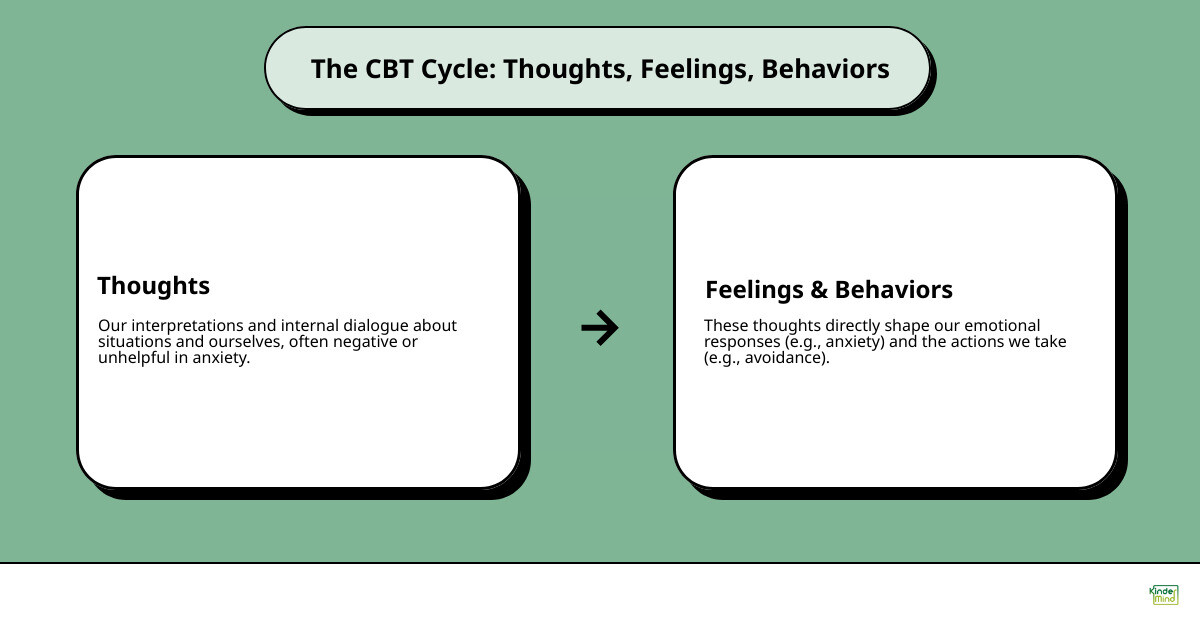
CBT tackles anxiety by focusing on the present, not the past. The core idea is simple: your thoughts cause your feelings and behaviors, not external events themselves. When you learn to recognize and challenge unhelpful thinking patterns, you can break the cycle that keeps anxiety going.
Online delivery makes this evidence-based treatment more accessible. You can work through exercises on your own schedule, message a therapist throughout the week, or attend video sessions without commuting. For many people, the privacy of taking a session from home removes a significant barrier to getting help.
As one user shared: “I cannot believe the results the course has had with me—it’s brilliant. The way they guide you through to an alternative way of thinking is extraordinary.”
The Spectrum of Online CBT: From Self-Guided to Therapist-Led
The beauty of Online CBT for anxiety lies in its versatility. Depending on your needs, budget, and preference for support, you can find a format that works for you. This spectrum ranges from completely self-guided tools to fully interactive, therapist-led sessions.
Self-Help Resources and Guided Programs
For those who prefer a more independent approach or want to supplement their therapy, self-help resources are a fantastic starting point. These often include:
- Worksheets and Exercises: Many platforms and guides offer free CBT worksheets that walk you through identifying automatic thoughts, challenging cognitive distortions, and planning behavioral changes. These can be incredibly insightful, helping you practice CBT techniques at your own pace. You can explore various exercises by looking at CBT Worksheets and Exercises.
- Self-Help Guides: These extensive guides, often developed by mental health professionals, provide structured information on anxiety, its causes, and practical strategies for management. They break down complex CBT concepts into digestible steps, offering actionable advice on managing worry, reducing avoidance, and improving self-esteem.
- Structured Modules and App-Based CBT: These programs offer a more guided experience than simple worksheets. They typically consist of several modules that teach CBT principles progressively, often with interactive elements, quizzes, and tracking tools. Some even integrate mindfulness exercises and goal-setting features. For those interested in exploring these options, there are platforms that offer Free Online CBT Therapy for Anxiety. These platforms aim to empower individuals with tools to take charge of their recovery, anywhere, anytime.
While self-guided options can be very beneficial, especially for mild-to-moderate symptoms, they require a good deal of self-discipline and accountability. If you find yourself struggling to stay motivated or need more personalized support, moving towards a therapist-led approach might be more effective.
Therapist-Led Online CBT
For many, the guidance and personalized support of a licensed therapist are invaluable. Online CBT platforms connect you with professionals who can tailor treatment specifically to your needs.
- Individual Therapy: This is the most common format, involving one-on-one sessions with a therapist. These sessions can be conducted via live video, audio, or messaging, providing a private and personalized space to work through your anxiety. Your therapist will help you apply CBT techniques, provide feedback, and offer strategies for your unique challenges.
- Online Group Therapy: For some, the shared experience and peer support of group therapy can be highly effective. Online Group Therapy for Anxiety brings together individuals facing similar struggles, allowing them to learn from each other, practice coping skills in a supportive environment, and realize they are not alone.
Choosing the Right Format for Online CBT for Anxiety
Deciding between self-guided tools and therapist-led sessions, or a combination of both, depends on several factors:
- Session Formats: Online CBT is incredibly flexible in its delivery. You can engage through:
- Live Video Sessions: Mimicking traditional in-person therapy, these allow for real-time interaction, visual cues, and a strong therapeutic connection.
- Phone Calls: A convenient option for those who prefer audio-only communication or have limited internet bandwidth.
- Asynchronous Messaging: This format allows you to communicate with your therapist via text messages, often with daily responses. It provides continuous support and the ability to process thoughts at your own pace.
- DIY vs. Therapist: While self-help resources can teach you valuable skills, a therapist provides expert guidance, accountability, and a personalized approach. They can help you identify blind spots, challenge deeply ingrained thought patterns, and adapt techniques to your specific situation. The distinction between self-help and professional guidance is crucial, as explored in articles like Coaching Versus Therapy. For instance, while you can learn to identify unhelpful thoughts on your own, a therapist can offer an objective perspective and ensure you’re applying techniques effectively.
Here are some common CBT techniques you might encounter in online therapy:
- Cognitive Restructuring: This involves identifying and challenging unhelpful or irrational thoughts, then replacing them with more balanced and realistic ones. It’s about recognizing that a thought isn’t necessarily a fact.
- Behavioral Activation: Encouraging engagement in enjoyable activities or activities that provide a sense of accomplishment, especially when feeling down or anxious, to improve mood and break cycles of avoidance.
- Exposure Therapy: Gradually and systematically exposing yourself to feared situations or objects in a safe, controlled manner to reduce anxiety over time. This is particularly effective for phobias and social anxiety.
- Mindfulness: Practicing present-moment awareness, observing thoughts and feelings without judgment, which can help in detaching from anxious thoughts.
- Journaling: Regularly writing down thoughts, feelings, and behaviors to identify patterns and track progress. This is a core component of many online CBT programs.
- Relaxation Techniques: Learning and practicing techniques such as deep breathing exercises, progressive muscle relaxation, or grounding techniques to manage the physical symptoms of anxiety.
How Effective is Online CBT for Anxiety and What Does it Treat?
The question of effectiveness is paramount when considering any form of therapy. For Online CBT for anxiety, the evidence is overwhelmingly positive.
Proven Effectiveness
Numerous studies and meta-analyses have consistently shown that online CBT is just as effective as traditional in-person therapy for a wide range of mental health conditions, including anxiety. Research published in academic journals supports the use of internet-based CBT for various conditions, demonstrating significant improvements in symptoms. This is a crucial finding, as it means you don’t have to sacrifice quality of care for the convenience of online delivery. You can dig deeper into the scientific backing for this in resources such as Effectiveness of Internet-Based Cognitive Behavioral Therapy.
User satisfaction statistics also paint a clear picture. For example, some platforms report that over 90% of users rate their therapists’ qualifications as very good or excellent, and nearly 100% would recommend the service to a friend. Overall user satisfaction is consistently high, with many services receiving very good or excellent ratings from over 90% of their users. This high level of satisfaction often stems from the accessibility, flexibility, and tangible results users experience.

Specific Issues CBT Can Address
CBT is a highly versatile and evidence-based therapy that can help with a broad spectrum of anxiety-related issues. Its focus on identifying and modifying unhelpful thought patterns and behaviors makes it applicable to many different diagnoses.
- Generalized Anxiety Disorder (GAD): CBT helps individuals with GAD manage chronic worry by challenging anxious thoughts and developing coping strategies. Techniques like “worry time” can be particularly helpful.
- Social Anxiety: For those who experience intense fear in social situations, CBT, often incorporating exposure therapy, can gradually build confidence and reduce avoidance behaviors. For more targeted support, consider Social Anxiety Therapy.
- Panic Attacks: CBT teaches individuals to understand the physiological and cognitive components of panic, helping them to reinterpret bodily sensations and reduce fear of future attacks.
- Phobias: Specific phobias respond very well to CBT, especially through systematic desensitization and exposure techniques.
- Obsessive-Compulsive Disorder (OCD): While often requiring specialized CBT sub-types like Exposure and Response Prevention (ERP), CBT is a primary treatment for OCD, helping to break the cycle of obsessions and compulsions. You can learn more about this complex condition in What is OCD?.
- Post-Traumatic Stress Disorder (PTSD): CBT, particularly trauma-focused CBT, helps individuals process traumatic memories, reduce distressing symptoms, and develop healthier coping mechanisms. Kinder Mind offers support for Trauma & PTSD.
- Stress: Beyond clinical diagnoses, CBT provides practical tools for managing everyday stress, improving problem-solving skills, and fostering resilience.
- Chronic Pain: Online CBT can also be effective in helping individuals cope with chronic pain by addressing the psychological factors that influence pain perception and management.
Signs Your Therapy is Working
It’s natural to wonder if your Online CBT for anxiety is making a difference. While progress can be gradual, certain signs indicate that your therapy is working:
- Symptom Reduction: You notice a decrease in the intensity or frequency of your anxiety symptoms, such as fewer panic attacks, less persistent worry, or reduced physical tension.
- Improved Coping Skills: You find yourself more effectively managing stressful situations, using techniques learned in therapy (like cognitive restructuring or breathing exercises) rather than relying on unhelpful coping mechanisms.
- Increased Self-Awareness: You become better at recognizing your automatic negative thoughts and understanding how they impact your feelings and behaviors.
- Better Daily Functioning: Anxiety interferes less with your work, relationships, hobbies, and overall quality of life. You might feel more motivated to engage in activities you previously avoided.
- More Realistic Thinking: The goal of CBT is “realistic thinking,” not just “positive thinking.” You’ll notice yourself challenging unhelpful thoughts and developing more balanced perspectives.
Getting Started: Your Roadmap to Finding the Right Online CBT
Starting on your journey with Online CBT for anxiety can feel like a big step, but the process is designed to be straightforward and supportive.
The Intake Process
Most online therapy platforms begin with an intake process to understand your needs and preferences:
- Initial Assessment: This typically involves answering a series of questions about your mental health history, current symptoms, and what you hope to achieve through therapy. This helps the platform get a comprehensive picture of your situation.
- Questionnaires: You might complete standardized questionnaires that assess anxiety levels, identify specific concerns, and help tailor the therapeutic approach. These tools are crucial for matching you with the most suitable therapist and tracking your progress.
Finding a Therapist
One of the key benefits of online platforms is the ability to connect with a therapist who is a good fit for you.
- Matching Process: Based on your initial assessment and preferences (e.g., therapist gender, specialization, approach), the platform will match you with a licensed professional. Many platforms emphasize the importance of finding a therapist who understands your specific background or issues.
- Therapist Qualifications: Always look for licensed professionals. Online CBT therapists should hold relevant degrees and certifications in their respective fields (e.g., licensed clinical social workers, licensed professional counselors, psychologists). You can find qualified professionals by exploring resources like Find a Therapist Near Me, which lists licensed therapists by state. Kinder Mind’s therapists are licensed in Alabama, Alaska, Arizona, Arkansas, California, Colorado, Connecticut, Delaware, Florida, Georgia, Hawaii, Idaho, Illinois, Indiana, Iowa, Kansas, Kentucky, Louisiana, Maine, Maryland, Massachusetts, Michigan, Minnesota, Mississippi, Missouri, Montana, Nebraska, Nevada, New Hampshire, New Jersey, New Mexico, New York, North Carolina, North Dakota, Ohio, Oklahoma, Oregon, Pennsylvania, Rhode Island, South Carolina, South Dakota, Tennessee, Texas, Utah, Vermont, Virginia, Washington, W