
Counseling Close to Home: Your Guide to Local Marriage & Family Therapists
Kinder Mind · 11/24/2025

Why Finding the Right Marriage Family Counselor Matters
If you’re looking for a marriage family counselor near me, you’re taking an important first step toward healthier relationships and personal well-being. Here’s what you need to know right now:
Quick Answer: How to Find a Marriage Family Counselor Near You
- Search online directories – Platforms like Kinder Mind let you filter by location, specialty, and insurance.
- Ask for referrals – Your primary care doctor, friends, or family may recommend trusted local therapists.
- Verify credentials – Look for Licensed Marriage and Family Therapists (LMFT) who specialize in relationship issues.
- Consider virtual options – Many qualified therapists now offer online sessions, expanding your access to care.
- Use your insurance – Check which providers are in-network to reduce costs, or look for sliding scale options.
Life is a journey with ups and downs. Sometimes the weight of relationship struggles, family conflict, or personal distress becomes too heavy to carry alone. Whether you’re navigating communication breakdowns, managing parenting challenges, or dealing with anxiety that affects your family, you don’t have to face these challenges by yourself.
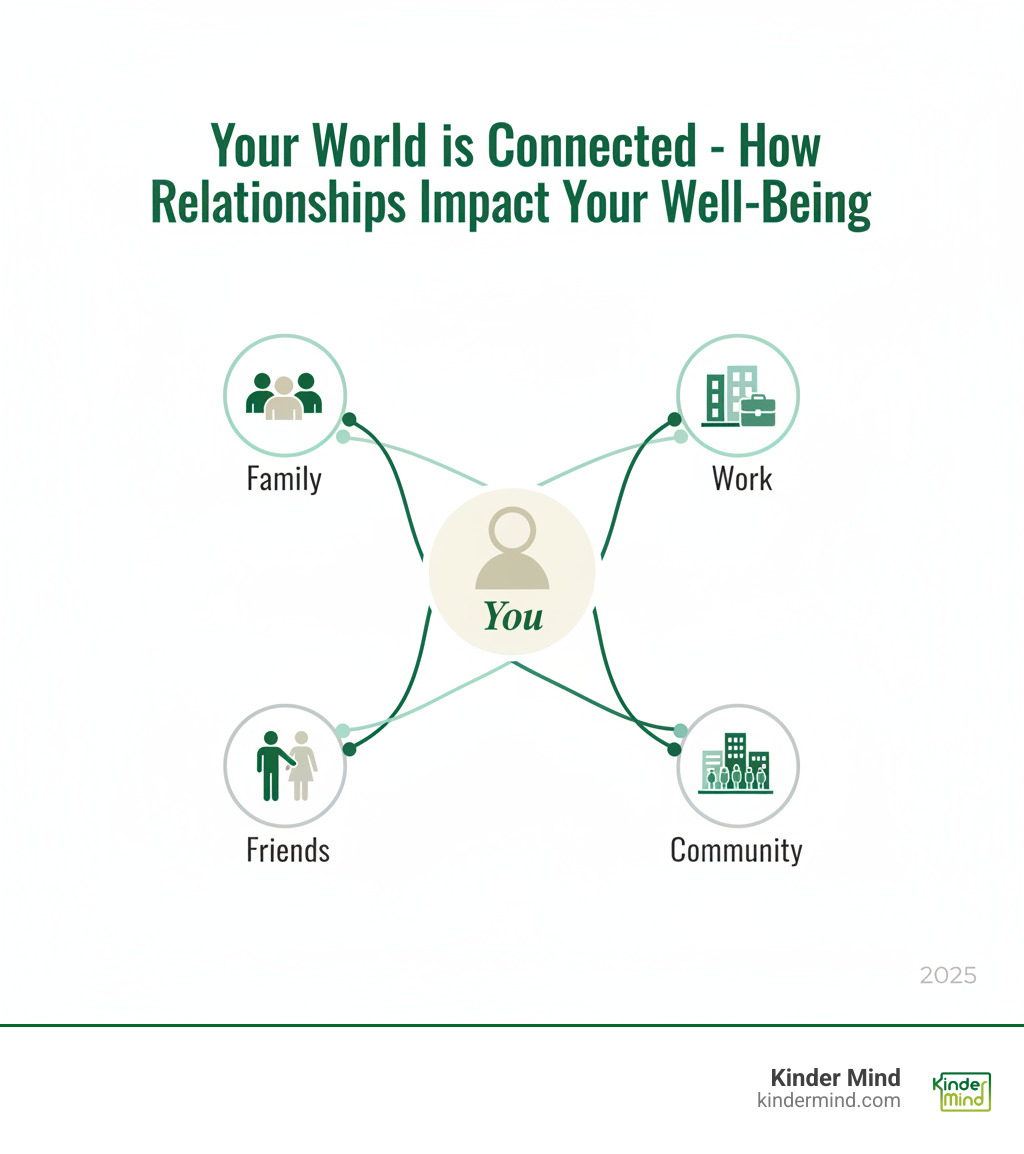
Marriage and Family Therapists (MFTs) are uniquely trained to see problems through a relational lens. They understand that we exist in a web of relationships that impact our well-being, and that family problems are often best treated within this context.
The good news is that this approach is highly effective. MFTs practice short-term therapy, averaging just 12 sessions, with most cases completed within 20 sessions. This guide will help you understand what marriage and family therapy is, how to find a qualified counselor, and how to access affordable care that fits your life.
Understanding Marriage and Family Therapy: The Relational Approach
When you think about therapy, you might picture someone sitting alone on a couch. Marriage and Family Therapy (MFT) takes a different path—one that recognizes we don’t exist in isolation.
A Marriage and Family Therapist (MFT) is a mental health professional with specialized training in systemic therapy. They understand that your relationships—with your partner, family, and even friends—all play a role in your mental health.
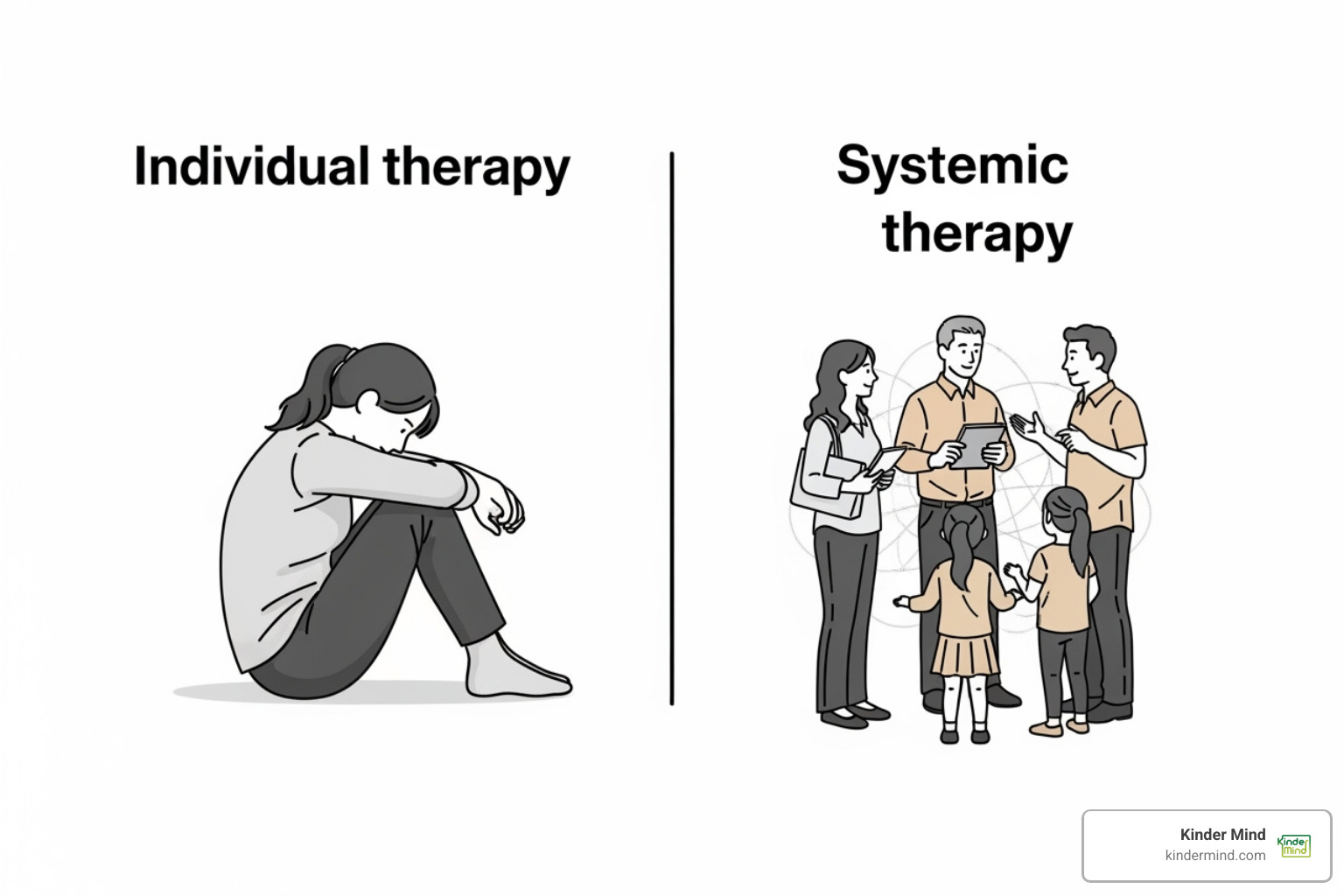
An MFT often views the relationship itself as the client. Even if you come to therapy alone, your marriage family counselor near me will consider the bigger picture. They don’t see problems as isolated issues locked inside one person, but as part of larger patterns within your family or relationship system. This holistic approach aims for long-term well-being for you and your family.
The benefits of working with an MFT reach everyone, no matter who shows up to the session:
- As an individual, you can understand how relationships affect your personal struggles and gain tools to steer them more effectively.
- For couples, MFTs improve communication, resolve conflicts, and rebuild trust in a safe, neutral space. Couples Therapy can help you build a stronger connection.
- For families, MFTs mediate disputes and guide members to understand each other’s perspectives, strengthening bonds. Family Therapy creates a more supportive home environment.
What Issues Can a Marriage and Family Counselor Help With?
A marriage family counselor near me can help with a wide range of challenges because they understand how everything connects.
- Relationship Issues: MFTs help you steer complex dynamics and build healthier patterns of interaction.
- Anxiety and depression: They address the relational roots of these conditions and help you develop coping strategies.
- Trauma: MFTs provide support for healing and work to rebuild feelings of safety and trust within the family.
- Communication: An MFT can teach you and your loved ones how to listen effectively and express yourselves clearly.
- Family Conflict: Therapists mediate conflicts with compassion, helping everyone find common ground.
- Parenting: MFTs provide guidance on effective parenting strategies and fostering healthy parent-child relationships.
- Blended Family Issues: Therapists help everyone adjust and find their place in a new family structure.
- Divorce Therapy: MFTs support individuals and families through separation and help parents co-parent effectively.
- Substance abuse: They address addiction from a systemic perspective, involving family in the recovery process.
Common Therapeutic Models and Specializations
MFTs often specialize in specific therapeutic models to fit different needs.
- Emotionally Focused Therapy (EFT): A research-backed approach for Couples Therapy that focuses on strengthening emotional bonds.
- Gottman Method Couples Therapy: Uses research-based skills to build friendship, manage conflict, and create shared meaning.
- Cognitive Behavioral Therapy (CBT): Helps identify and challenge unhelpful thought patterns that contribute to relationship problems.
- Solution-Focused Brief Therapy (SFBT): A short-term, goal-oriented approach that focuses on your strengths and finding solutions.
- Narrative Therapy: Helps you and your family rewrite problem-saturated stories in more empowering ways.
- Premarital Counseling: Helps engaged couples build a strong foundation for marriage by addressing potential conflicts early on.
How to Find a Marriage Family Counselor Near Me
Finding the right marriage family counselor near me might feel overwhelming, but with a clear map, the path becomes much easier.

First, get clear on what you need. Are you looking for help with a specific relationship challenge, or managing anxiety that’s affecting your family? Knowing your primary concern helps you find a specialist. Next, consider the practicals: do you prefer in-person sessions, or would virtual therapy fit better into your life? Online sessions open up your choices considerably.
When you’re ready to search, look for professionals with the LMFT designation—that’s your signal that they’re trained in systemic, relational therapy. Don’t forget to verify their credentials and state license to ensure you’re working with a qualified professional.
Top Ways to Find a Marriage Family Counselor Near You
Several effective avenues can connect you with the right professional.
- Use Kinder Mind’s Online Directory: Our directory is designed to make your search straightforward. You can filter by location, specialties like Relationship Issues or Family Conflict, and insurance options. This lets you quickly Find a specialist on Kinder Mind who meets your exact needs.
- Ask Your Primary Care Provider: Doctors often maintain a network of trusted mental health specialists and can provide personalized recommendations.
- Get Personal Recommendations: When a friend or family member you trust shares their positive experience with a local therapist, you get insights that go beyond a professional profile.
- Check Your Employee Assistance Program (EAP): Many employers offer EAPs that provide a limited number of free counseling sessions or referrals to qualified therapists. Check with your HR department to see if this benefit is available.
As you search, use filtering options to narrow down by specific issues—whether that’s Blended Family Issues, Premarital concerns, or Divorce Therapy—to save time and find the best fit faster.
What to Look For in a Qualified Marriage Family Counselor Near Me
Once you have a list of potential therapists, here’s what to look for.
The most important credential is LMFT (Licensed Marriage and Family Therapist). This represents years of specialized graduate-level education and thousands of hours of supervised clinical experience focused on relational therapy. Always verify that their state licensure is active and in good standing.
Look for specialized training in areas relevant to you, such as Emotionally Focused Therapy (EFT) or trauma-informed care. Experience with your specific issues is also valuable.
Use the initial consultation—usually a brief, free phone call—to ask about their approach, experience, and availability. This is your chance to see if their communication style works for you.
Personal fit is crucial. Research shows the quality of the therapeutic relationship is a top predictor of success. You need to feel comfortable, respected, and understood. Trust your instincts. You can browse the profiles of Our Therapy Providers to get a sense of different therapists’ approaches before you even make that first call.
What to Expect from Therapy: Cost, Duration, and Process
It’s natural to wonder about the practical details of therapy. Let’s walk through what you can realistically expect when working with a marriage family counselor near me.
| Aspect | Marriage and Family Therapy (MFT) | Individual Psychology (General) |
|---|---|---|
| Primary Focus | Relationships, family systems, interaction patterns | Individual thoughts, feelings, behaviors |
| Training Emphasis | Systemic theory, relational dynamics, family development | Personality, cognitive processes, individual mental health |
| Typical Treatment | Short-term, solution-focused, often 12 sessions on average | Can be short-term or long-term, depending on modality/issue |
| View of Problem | Symptom of the system, not solely within the individual | Originating within the individual |
| Client Range | Individuals, couples, families, groups | Primarily individuals |
| Cost-Effectiveness | Often more effective than alternatives at a lower cost (per outcome) | Varies widely, can be higher for long-term individual therapy |
One of the most encouraging aspects of MFT is its efficiency. It’s designed to be short-term and solution-focused. The average treatment lasts about 12 sessions. Because MFTs work with the whole relational system, change often happens more quickly. Over 65% of cases are completed within 20 sessions. Your journey is unique, and your therapist will work with you to set realistic goals.
Therapy costs vary by location and experience, but many therapists offer sliding scale options based on income. At Kinder Mind, we are committed to making therapy affordable. We accept various insurance plans and offer reduced-rate options to ensure everyone can access support.
Your first session is a collaborative exploration. Your therapist will ask about what brought you in and your goals. It’s also your chance to ask questions and see if the therapist is a good fit. Together, you’ll start setting clear, achievable goals and map out a path forward.
Is marriage counseling effective?
The research is clear: yes. Studies show that family-based interventions, like those used by MFTs, are as effective as—and in many cases more effective than—alternative therapies, often at a lower cost. For an overview of the evidence base, see Research shows family-based interventions are highly effective.
Why? Because you’re working with the system that cre
