
Divorce Doesn’t Have to Break You: Smart Strategies for Handling the Storm
Dr. Elizabeth Barlow, LCSW-S · 1/13/2026

Why Coping with Divorce Stress Matters for Your Well-being
Coping with divorce stress is essential because separation and divorce rank among life’s most challenging experiences, affecting both your emotional and physical health. The research is clear: divorce can increase mortality risk by 23% and trigger serious mental health challenges including anxiety, depression, and adjustment disorders.
Quick ways to cope with divorce stress:
- Accept your feelings – Sadness, anger, confusion, and even relief are all normal
- Build a support system – Lean on friends, family, or support groups
- Prioritize self-care – Maintain healthy eating, exercise, and sleep habits
- Stick to routines – Keep structure in your daily life for stability
- Avoid major decisions – Give yourself time before making big life changes
- Seek professional help – A therapist can guide you through overwhelming emotions
- Set boundaries – Minimize conflict with your ex-spouse when possible
Here’s something you should know: more than 20 percent of first marriages end within five years, and 48 percent dissolve by the 20-year mark. You’re not alone in this struggle.
The first two years after divorce are often the hardest. As one divorce coach puts it, “Anyone who has been through it can tell you that those two years are by far the hardest.” But here’s the good news – most people adjust well within two years, and life can get back to normal, even if that normal looks different than you originally hoped.
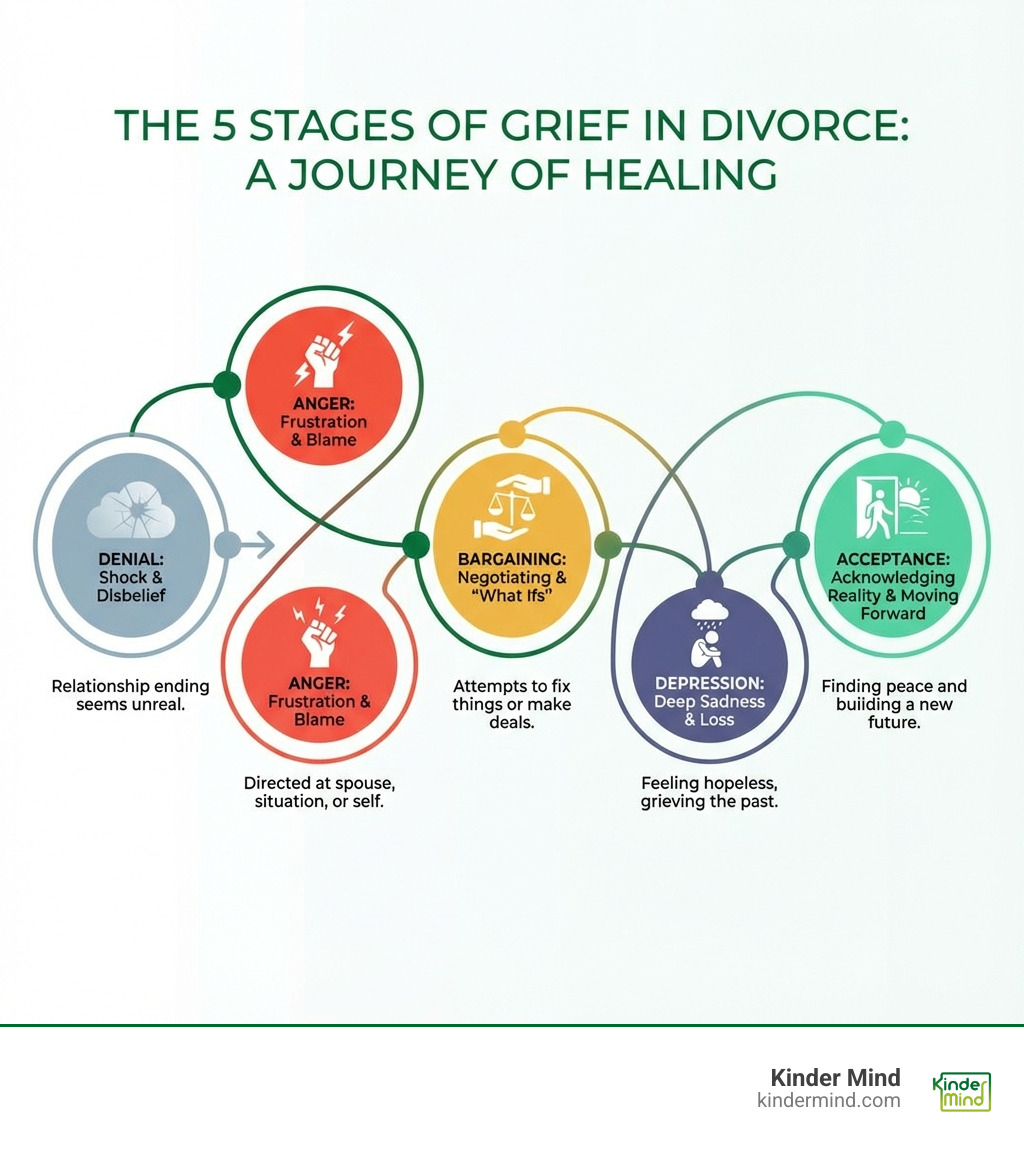
Divorce isn’t just an emotional goodbye to your partner. You’re also grieving the loss of shared dreams, future plans, financial security, daily routines, and your identity as part of a couple. This disruption to your entire life triggers intense stress responses that affect both your mind and body.
But coping with divorce stress doesn’t mean you have to suffer alone or figure everything out by yourself. With the right strategies and support, you can move from chaos to calm and build a fulfilling life after divorce.
Understanding the Emotional and Physical Toll of Divorce
Divorce is a profound life event that often releasees a torrent of emotional and physical responses. Even if the marriage was unhealthy or the separation was desired, the transition into the unknown can be frightening and stressful. The process of divorce is akin to grieving a significant loss, encompassing not just the end of a relationship, but also the loss of companionship, shared experiences, support systems, and the future you once envisioned. This complex grief can manifest in various ways, impacting both your mental and physical well-being.
Research published in Biopsychosocial Science and Medicine suggests that the experience of separation or divorce confers risk for poor health outcomes, including a 23% higher mortality rate. This highlights the critical importance of actively coping with divorce stress to protect your overall health.
Common Emotional Responses
When navigating a divorce, it’s normal to experience a wide spectrum of intense emotions. These feelings are valid and part of the healing process; there’s no “right” or “wrong” way to feel. Common emotional responses include:
- Sadness: A deep sense of loss for the relationship, shared memories, and the future that will no longer be.
- Anger: Directed at your former spouse, yourself, or the situation, often stemming from feelings of betrayal, injustice, or frustration.
- Anxiety: Worry about the future, financial stability, co-parenting arrangements, and the uncertainty of what comes next.
- Fear: Concerns about being alone, starting over, or the impact on children.
- Confusion: Difficulty processing the changes, understanding why things happened, or making decisions.
- Guilt: Feelings of responsibility for the divorce, or guilt over children’s suffering.
- Shame: A sense of personal failure or embarrassment about the divorce.
- Loneliness: A profound feeling of isolation, even when surrounded by others, due to the absence of your former partner.
- Relief: For some, an unhealthy marriage ending can bring a sense of liberation and peace, though this can often be mixed with other difficult emotions.
These emotions can fluctuate rapidly, creating an “emotional rollercoaster.” Accepting that these feelings are normal and will eventually lessen over time is a crucial first step in coping with divorce stress.
Physical Manifestations of Stress
The mind-body connection is powerful, and the emotional turmoil of divorce often translates into physical symptoms. Prolonged stress can take a significant toll on your physical health. Common physical manifestations include:
- Fatigue: Persistent tiredness, even after adequate rest, due to the emotional and mental energy expended during divorce.
- Sleep disturbances: Difficulty falling asleep, staying asleep, or experiencing restless sleep, which can exacerbate other symptoms.
- Appetite changes: Either a loss of appetite, leading to weight loss, or emotional eating, leading to weight gain.
- Headaches and muscle tension: Stress often manifests as tension in the head, neck, and shoulders.
- Weakened immune system: Chronic stress can suppress the immune system, making you more susceptible to illnesses.
- Increased health risks: Beyond a weakened immune system, divorce can contribute to higher rates of chronic conditions and, as mentioned, a higher mortality rate.
Recognizing these physical signs is important. They are signals from your body that you are under significant stress and need to prioritize self-care. Ignoring them can lead to more serious health issues down the line.
Healthy Strategies for Coping with Divorce Stress
Navigating a divorce requires intentional effort to protect both your emotional and physical health. Proactive and healthy coping mechanisms are essential for managing the intense stress and building resilience during this challenging period.

Prioritizing Your Emotional Well-being
Your emotional health is paramount during a divorce. It’s like putting on your own oxygen mask first, as the analogy goes – you need to take care of yourself before you can effectively help others, including your children.
- Accepting Feelings: Allow yourself to feel the full range of emotions without judgment. Suppressing feelings can prolong the healing process. Mental Health America suggests accepting your feelings without judgment and not putting pressure on yourself to perform at peak level.
- Acknowledging Loss: Understand that you are grieving. This involves acknowledging all the losses associated with the divorce – not just the person, but also the shared life, dreams, and identity.
- Journaling: Writing about your experiences can be incredibly beneficial. Research suggests that expressive writing may aid both mental and physical health, potentially reducing anxiety and even boosting the immune system. It offers a safe space to process thoughts and emotions.
- Mindfulness and Meditation: These practices can help calm your mind and ground you in reality when emotional chaos and anxiety arise. Research suggests that mindfulness can have a significant positive impact on emotional well-being.
- Self-Compassion: Be kind and gentle with yourself. You are going through a difficult time, and it’s okay to not be okay. People who are kind and compassionate to themselves often have an easier time managing the day-to-day difficulties of divorce.
Maintaining Your Physical Health
Just as your emotions impact your body, your physical health can significantly influence your mental state. Taking care of your body is a powerful way to manage coping with divorce stress.
- Balanced Diet: Even if your appetite is affected, try to maintain a balanced diet. Nutritious food provides the energy your body and mind need to cope.
- Regular Exercise: Physical activity is a potent stress reliever. As the Mayo Clinic explains, exercise can ease symptoms of depression and anxiety. Aim for at least 30 minutes of moderate exercise most days. It releases endorphins, which can boost your mood.
- Consistent Sleep Schedule: Prioritize getting adequate rest. Sleep disturbances are common during divorce, but establishing a consistent sleep routine can help regulate your mood and energy levels.
- Avoiding Substance Abuse: While tempting, using alcohol, drugs, or excessive food to cope can create more problems and hinder your healing. Seek healthier coping mechanisms.
- Creating Routines: Establishing clear daily routines provides a sense of stability and control amidst the chaos of divorce. This structure can be incredibly grounding.
Building a Strong Support System
You don’t have to go through this alone. A strong support system is vital for coping with divorce stress.
- Leaning on Friends and Family: Share your feelings with trusted loved ones. They can offer emotional support, listen without judgment, and remind you that you are valued.
- Support Groups: Joining a divorce recovery group can provide immense comfort. Being with others who understand what you’re going through can reduce feelings of isolation and offer practical advice.
- Setting Boundaries: While seeking support, it’s also important to set boundaries with those who might inadvertently add to your stress, such as friends who encourage negativity or drama.
- Avoiding Isolation: The negative emotions associated with divorce can sometimes lead to withdrawal. However, social interaction is crucial for mental health. Make an effort to connect with others, even when you don’t feel like it.
Navigating the New Normal: Practical Steps for Moving Forward
Divorce marks the end of one chapter, but it also signifies the beginning of another. Moving forward involves practical adjustments, personal growth, and actively shaping your new life.

Reframing Your Perspective for Personal Growth
Divorce can be a catalyst for profound personal growth and self-findy. It’s an opportunity to redefine who you are and what you want.
- Refinding Hobbies and Interests: Reconnect with activities you once loved or explore new interests. Hobbies can be an effective way to relieve stress, ease emotions, and establish a new schedule or structure in your daily life.
- Setting New Goals: Focus on your vision for your post-divorce life. What do you want to achieve? What kind of person do you want to be? Setting intentional goals can provide direction and purpose.
- Finding a New Identity: Divorce often strips away a part of your identity. This is a chance to find who you are as an individual, independent of your former partnership.
- Learning from the Past: Engage in self-reflection. What lessons can you take from the marriage? How did you contribute to its dynamics? Understanding past patterns can help you build healthier relationships in the future.
- Viewing Divorce as a New Chapter: Instead of seeing divorce as a failure, reframe it as a challenging but ultimately transformative journey. Life can be amazing again, and this can be the beginning of something new and exciting.
How to avoid common pitfalls and unhealthy behaviors
While navigating divorce, it’s easy to fall into traps that can prolong your distress or create new problems. Being aware of these pitfalls can help you avoid them.
- Avoiding Conflict with Your Ex: Ongoing conflict can be detrimental to your well-being and, especially, to your children’s. If discussions become heated, suggest talking later when both parties are calmer. Consider mediation if communication is consistently difficult.
- Not Using Children as Messengers: Involving children in parental disputes or using them to relay messages to your ex-spouse is harmful. They should be shielded from adult conflicts.
- Understanding Unhealthy Communication Patterns: Be aware of patterns like “stonewalling,” which refers to shutting down communication when feeling overwhelmed. Recognizing these can help you avoid them yourself and respond constructively if your ex-partner exhibits them.
- Not Rushing into New Relationships: Give yourself ample time to heal and process the divorce before jumping into a new romantic relationship. Rushing can prevent proper healing and lead to repeating old patterns.
- Managing Expectations: Life after divorce will be different. While it can be fulfilling, it’s important to have realistic expectations about the timeline for healing and the shape your new life will take.
Managing Financial and Legal Stressors
The financial and legal aspects of divorce can be incredibly stressful. Addressing these head-on, with appropriate support, is crucial.
- Financial Planning and Budgeting: Take stock of your financial situation. Understand your assets, debts, and new income. Create a realistic budget for your new life. If financial planning isn’t your expertise, seek guidance from a financial advisor.
- Understanding Assets and Entitlements: Ensure you understand your legal and financial rights regarding property division, spousal support, and child support.
- Seeking Professional Guidance: Legal counsel is vital to steer the divorce process effectively and protect your interests. An attorney can help you understand the legal landscape in your state (Alabama, Alaska, Arizona, Arkansas, California, Colorado, Connecticut, Delaware, Florida, Georgia, Hawaii, Idaho, Illinois, Indiana, Iowa, Kansas, Kentucky, Louisiana, Maine, Maryland, Massachusetts, Michigan, Minnesota, Mississippi, Missouri, Montana, Nebraska, Nevada, New Hampshire, New Jersey, New Mexico, New York, North Carolina, North Dakota, Ohio, Oklahoma, Oregon, Pennsylvania, Rhode Island, South Carolina, South Dakota, Tennessee, Texas, Utah, Vermont, Virginia, Washington, West Virginia, Wisconsin, Wyoming).
Special Considerations for Parents
Divorce doesn’t just affect the separating couple; it profoundly impacts children. Protecting their well-being and maintaining stability for them should be a top priority.
Key strategies for helping children cope with divorce
Children often adjust well within two years following a divorce, especially if parental conflict is minimized. Conversely, children experience more problems when parents remain in high-conflict marriages.

